Good and Bad Cholesterol
Good and Bad Cholesterol How to Maintain Healthy Levels
Cholesterol is often called “bad” for the heart, but the truth is a little more complicated. Your body needs cholesterol to make hormones, build cells, and perform other important functions. The problem starts when certain types of cholesterol become too high.
High cholesterol usually does not cause clear symptoms, which is why many people may not know their levels are high until they have a blood test. A healthy diet, regular physical activity, healthy weight, and the right medical care can all help support better cholesterol levels.
What Is Cholesterol?
Cholesterol is a waxy, fat-like substance found in the blood and in every cell of the body. Your liver makes cholesterol, and you also get some from foods that contain animal fats.
Because cholesterol does not dissolve in blood on its own, it travels through the body with proteins called lipoproteins. Two of the most commonly discussed types are LDL and HDL.
LDL vs HDL What Is the Difference?
LDL The Bad Cholesterol
LDL (Low-Density Lipoprotein) carries cholesterol from the liver to different parts of the body. When LDL levels become too high, cholesterol can build up inside artery walls and contribute to plaque formation.
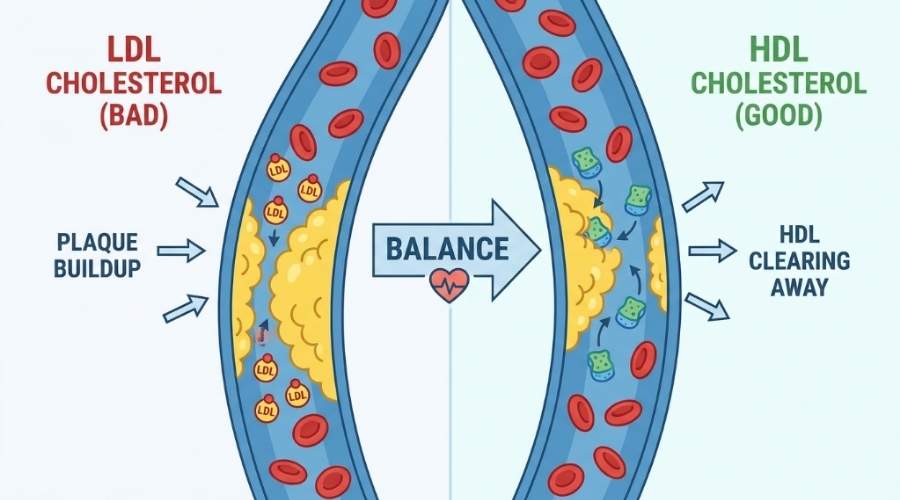
Over time, this buildup can narrow the arteries and increase the risk of cardiovascular problems. For this reason, LDL is commonly known as “bad cholesterol.”
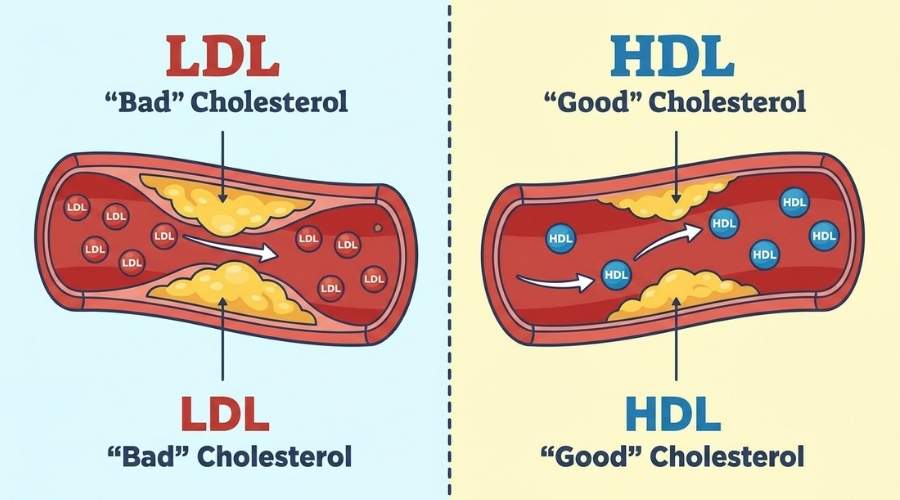
HDL The Good Cholesterol
HDL (High-Density Lipoprotein) helps carry cholesterol away from the bloodstream and back toward the liver, where it can be processed and removed from the body.
HDL is therefore often called “good cholesterol.” However, cholesterol health is not based on HDL alone. Your doctor may look at LDL, HDL, triglycerides, total cholesterol, and your overall health when assessing cardiovascular risk.
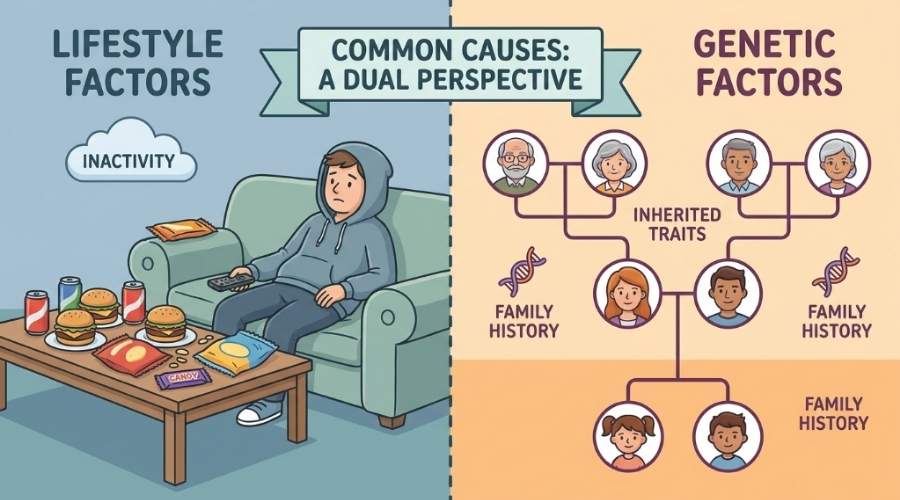
What Can Cause High Cholesterol?
Several factors can affect cholesterol levels. Some are related to lifestyle, while others may be outside your control.
- Eating too much saturated and trans fat
- Being overweight or physically inactive
- Smoking
- Family history of high cholesterol
- Increasing age
- Some medical conditions
- Certain medicines
Having high cholesterol does not necessarily mean that a person eats unhealthy food all the time. Genetics and other health factors can also have a major effect.
Natural Ways to Support Healthy Cholesterol Levels
Choose More Fiber-Rich Foods
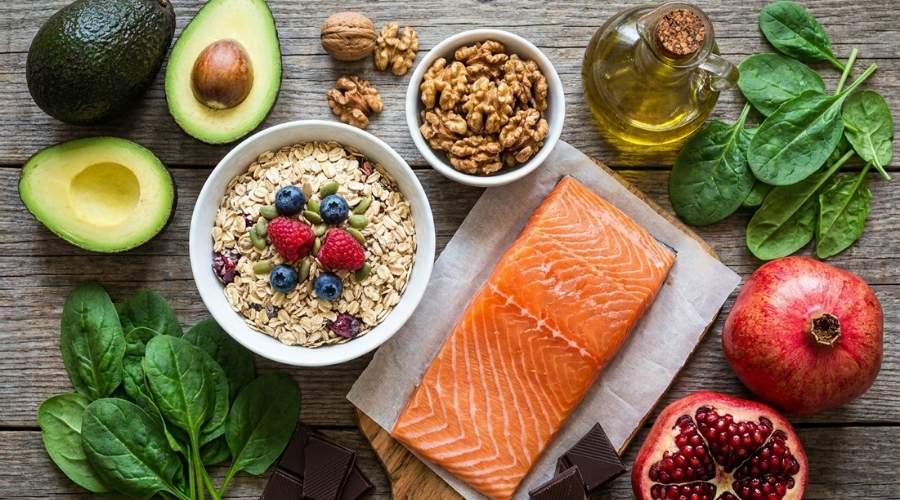
Foods containing soluble fiber can help support healthy cholesterol levels. Oats, beans, lentils, apples, and some vegetables are useful choices.
Use Healthy Fats
Replacing foods high in saturated fat with sources of unsaturated fat may support heart health. Olive oil, nuts, seeds, and fish are examples of foods that can provide healthier fats.
Stay Physically Active
Regular movement is important for cardiovascular health and can also support a healthy weight. Walking, cycling, swimming, or another activity you enjoy can be part of a healthy routine.
Maintain a Healthy Weight
If you are overweight, gradual weight loss through a balanced diet and regular activity may improve several heart-health markers, including cholesterol and triglycerides.
Avoid Smoking
Smoking can damage blood vessels and increase cardiovascular risk. Quitting smoking is one of the important steps for better heart health.
Heart Health and Cholesterol Support Supplements
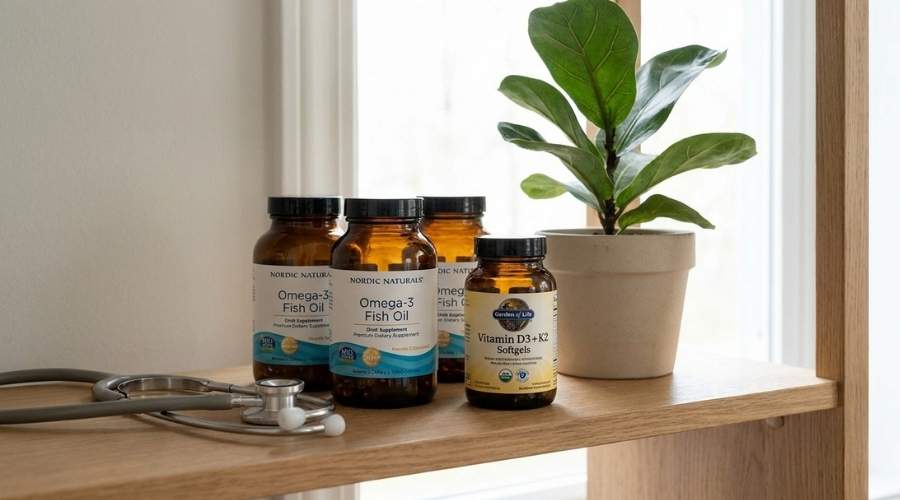
Along with a healthy diet, some people consider nutritional supplements as part of their heart-health routine. The right product depends on your nutritional needs, existing diet, medicines, and health condition.
Supplements should not replace prescribed cholesterol medicines or a treatment plan from your doctor. The products below are nutritional supplements and should be considered for general heart and nutritional support, rather than as guaranteed treatments for high cholesterol.
| Product | Best For | Key Ingredients |
|---|---|---|
| Ultra Pure Fish Oil 675 | Heart, brain and general cardiovascular support | Omega-3, DHA, Astaxanthin |
| Vivioptal Women Softgel | Women’s nutritional and cardiovascular support | Omega-3, CoQ10, Shiitake, Turmeric |
| Vivioptal Active Softgel | Daily cardiovascular and nutritional support | Omega-3, Ginseng, Lutein |
| Vivioptal Protect For Men | Men’s nutritional and circulation support | CoQ10, L-Arginine, Zinc, Lycopene |
| Vivioptal Zuckont | General nutritional support for people focusing on metabolic health | Gymnema, Cinnamon, Turmeric, Vitamins |
| Centrum Silver | Daily multivitamin support for adults | Vitamin B6, B12, Folic Acid and other nutrients |
| Vivioptal Lux | Eye and overall nutritional support | Omega-3, Lutemax 2020, Zinc |
| Marhaba Royal Honey | General vitality and nutritional support | Honey and herbal ingredients |
How to Choose a Cholesterol Support Supplement?
There is no single supplement that is best for everyone. Your choice should depend on your diet and the type of nutritional support you are looking for.
If your diet is low in omega-3-rich foods, a fish oil supplement may be worth discussing with a healthcare professional. A multivitamin such as Centrum Silver may be more suitable for general nutritional support rather than specifically targeting cholesterol.

Products containing ingredients such as CoQ10, zinc, vitamins, and omega-3 may also be used as part of broader nutritional support. However, they should not be presented as replacements for prescribed cholesterol treatment.
Can Supplements Replace Cholesterol Medicine?
No. If a doctor has prescribed medicine for high cholesterol, do not stop or replace it with a supplement without medical advice.
Some people with high cholesterol can improve their levels through lifestyle changes, while others need medication because their cholesterol or cardiovascular risk is higher. Your doctor can determine which approach is appropriate after reviewing your blood tests and health history.
When Should You Check Your Cholesterol?
A cholesterol blood test can measure total cholesterol, LDL, HDL, and triglycerides. Regular testing can help identify unhealthy levels even when you feel completely normal.
If you have a family history of high cholesterol, diabetes, high blood pressure, obesity, or other cardiovascular risk factors, ask your healthcare professional how often you should have your cholesterol checked.
Frequently Asked Questions
What is bad cholesterol?
LDL is commonly called bad cholesterol because high LDL levels can contribute to plaque buildup in the arteries.
What is good cholesterol?
HDL is commonly called good cholesterol because it helps transport cholesterol toward the liver for processing and removal.
Can diet help lower cholesterol?
Yes. Eating more fiber-rich foods and replacing saturated fats with healthier unsaturated fats can support healthier cholesterol levels.
Is fish oil good for cholesterol?
Fish oil provides omega-3 fatty acids, which can support cardiovascular health and may help lower triglyceride levels. It is not a replacement for prescribed cholesterol treatment.
Can vitamins help with cholesterol?
Vitamins are important for normal body functions, but a vitamin supplement should not be considered a direct treatment for high cholesterol unless specifically recommended by a healthcare professional.
Can high cholesterol cause symptoms?
High cholesterol usually does not cause obvious symptoms. A blood test is commonly needed to identify abnormal cholesterol levels.
Should I take a supplement if my cholesterol is high?
Discuss it with your doctor or pharmacist first. The right approach depends on your cholesterol numbers, cardiovascular risk, diet, and any medicines you are taking.
Keeping cholesterol at a healthy level is a long-term process. A balanced diet, regular physical activity, healthy weight, no smoking, and regular health checks can all support cardiovascular health. Supplements may provide nutritional support, but they should be used wisely and should not replace medical treatment when treatment is needed.
Medical Disclaimer: This article is for general educational purposes and does not replace advice from a qualified doctor or healthcare professional. Always consult your doctor before starting a new supplement, especially if you have high cholesterol or take regular medicines.