What is Vitamin A (Retinol)?
What is Vitamin A (Retinol)? Benefits, Deficiency, Side Effects & Complete Guide
Vitamin A, also known as Retinol, is one of the most important vitamins the human body needs to stay healthy. It plays a key role in vision, immunity, skin health, cell growth, and the normal function of many organs. Although the body only needs a small amount of Vitamin A every day, it has a big impact on overall health. If the body does not get enough Vitamin A, different health problems may start to appear over time.
Many people in Pakistan focus on calcium, vitamin C, or vitamin D, but Vitamin A is often overlooked. This vitamin supports healthy eyesight, helps the immune system fight infections, keeps the skin healthy, and contributes to normal growth in children and adults. It is also important for both Men’s Health and Women’s Health, making it an essential part of a balanced diet and many Food Supplements.
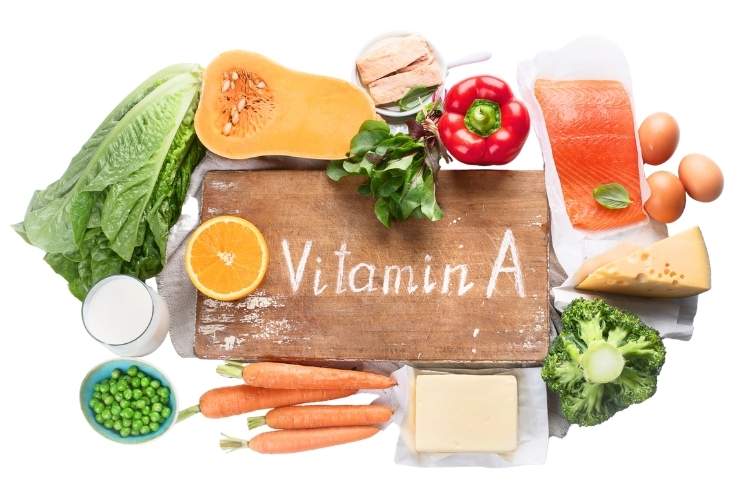
Vitamin A is naturally found in many foods such as liver, eggs, milk, butter, fish, carrots, sweet potatoes, spinach, pumpkin, and mangoes. People who cannot get enough Vitamin A from their daily diet sometimes use multivitamins or nutritional supplements to help meet their daily needs.
Table of Contents
- What is Vitamin A (Retinol)?
- How Does Vitamin A Work?
- How is Vitamin A Made?
- Why Does the Body Need Vitamin A?
- Benefits of Vitamin A
- Signs of Vitamin A Deficiency
- What Happens if You Take Too Much Vitamin A?
- Vitamin A Side Effects
- Best Food Sources of Vitamin A
- How to Maintain Healthy Vitamin A Levels
- Supplements That Contain Vitamin A
- Frequently Asked Questions
- Overall Summary
What is Vitamin A (Retinol)?
Vitamin A is a fat-soluble vitamin that helps the body perform many important functions every day. It is commonly known as Retinol, while some people also search for it as Vitamin A1. Both Retinol and Vitamin A1 refer to the active form of Vitamin A that the body can easily use.
This vitamin supports healthy vision, especially in low-light conditions. It also helps maintain healthy skin, supports the immune system, and plays a role in normal growth and development. Every day, millions of cells in the body are replaced, and Vitamin A helps this natural process happen properly.
Unlike water-soluble vitamins, Vitamin A can be stored in the liver. The body uses these stored amounts whenever needed. However, these stores can become low if a person does not consume enough Vitamin A-rich foods or quality Food Supplements for a long period.
Vitamin A is available in two main forms. The first form is Retinol, which is found in animal-based foods such as liver, eggs, dairy products, and fish. The second form is Beta-Carotene, which comes from plant foods like carrots, spinach, pumpkin, and sweet potatoes. After eating these foods, the body converts Beta-Carotene into Vitamin A whenever it is needed.
How Does Vitamin A Work?
Vitamin A works by helping different cells and tissues perform their normal jobs. After it is absorbed from food or supplements, it travels through the bloodstream and is stored mainly in the liver. Whenever the body needs Vitamin A, the liver releases the required amount into the blood.
One of its most important jobs is supporting healthy eyesight. Inside the eyes, Vitamin A helps produce light-sensitive pigments that allow people to see properly, especially in dim light or during the night. This is why people with low Vitamin A levels may first notice difficulty seeing in the dark.
Vitamin A also supports the immune system. It helps white blood cells work properly so the body can respond to bacteria, viruses, and other harmful germs. A healthy immune system is important for reducing the risk of infections and supporting faster recovery.
Another important function is maintaining healthy skin and body tissues. The body constantly repairs skin, the lining of the mouth, lungs, digestive system, and other organs. Vitamin A helps keep these protective layers healthy so they can continue doing their job.
How is Vitamin A Made?
The human body cannot make Vitamin A on its own. Instead, it gets Vitamin A from food and supplements.
When you eat foods containing Retinol, the body absorbs it directly. When you eat foods rich in Beta-Carotene, such as carrots or spinach, the body converts only the amount it needs into Vitamin A. This natural process helps maintain healthy Vitamin A levels.
The liver stores extra Vitamin A for future use. Whenever the body needs more, it releases small amounts into the bloodstream. This is why eating a balanced diet regularly is important instead of trying to take very large amounts at one time.
Many modern multivitamins and Food Supplements also contain Vitamin A because some people may not get enough through diet alone.
Why Does the Body Need Vitamin A?
Vitamin A is important because almost every part of the body depends on healthy cells to work properly.
It helps maintain normal vision, supports healthy skin, strengthens immunity, and contributes to normal growth. It also supports reproductive health and normal development during childhood.
For Men’s Health, Vitamin A supports normal body function, healthy tissues, and overall wellness. For Women’s Health, it contributes to healthy skin, immunity, and daily nutritional balance.
People living with certain Common Health Conditions, including Diabetes and High Blood Pressure, are often advised to pay close attention to their overall nutrition. While Vitamin A is not a treatment for these conditions, maintaining healthy vitamin intake is part of supporting general health.
Benefits of Vitamin A
Vitamin A provides many important health benefits when consumed in the right amount.
One of its biggest benefits is supporting healthy vision. It helps the eyes adjust to darkness and supports normal eyesight throughout life.
Vitamin A also helps maintain healthy skin by supporting normal cell growth. Healthy skin cells can make the skin look smoother and support natural healing.
Another major benefit is stronger immunity. Vitamin A supports the body’s natural defense system and helps immune cells function properly.
It also contributes to normal growth and development, making it important for children as well as adults.
Vitamin A supports healthy body tissues, including the lining of the lungs, digestive system, and urinary tract. These protective tissues help reduce the risk of infections and keep the body functioning normally.
Many multivitamins include Vitamin A because it works together with other vitamins and minerals to support overall wellness.
People who use complete nutritional supplements often receive Vitamin A along with other important nutrients that support daily health. This is one reason why many premium Food Supplements include Retinol as part of their formula.
Vitamin A should always be consumed in the recommended amount. Getting too little may lead to deficiency, while taking too much over a long period may increase the risk of unwanted Side Effects. A balanced diet, healthy lifestyle, and quality nutritional supplements are usually the best way to maintain healthy Vitamin A levels.
Signs of Vitamin A Deficiency
Vitamin A deficiency can develop slowly, especially in people who do not eat a balanced diet or have poor nutrient absorption. In the beginning, the signs may be mild and easy to ignore. However, if the body continues to receive very little Vitamin A, the symptoms may become more noticeable.
One of the earliest signs of Vitamin A deficiency is difficulty seeing in dim light or at night. This condition is often called night blindness. A person may find it difficult to adjust when moving from a bright place to a dark room.
Dry eyes are another common symptom. Without enough Vitamin A, the eyes may not produce enough moisture, leading to dryness, irritation, or discomfort.
Low Vitamin A levels may also affect the skin. Some people notice dry, rough skin that does not improve even after using moisturizers. Others may experience slower healing of small cuts and wounds because healthy skin repair depends on proper nutrition.
The immune system may also become weaker. People with Vitamin A deficiency may become sick more often because their body finds it harder to fight infections.
Children with severe Vitamin A deficiency may experience slower growth and development. Adults may simply feel that their overall health is not as good as before.
These symptoms can also happen because of other vitamin or mineral deficiencies. If they continue for a long time, medical advice should be taken instead of self-diagnosing.
What Happens if You Take Too Much Vitamin A?
Just as too little Vitamin A can cause health problems, taking too much can also be harmful.
The body stores extra Vitamin A in the liver. Because of this, regularly taking very high amounts over a long period may increase the risk of Vitamin A toxicity.
Some people believe that taking more vitamins will give faster or better results. This is not true. Vitamins work best when taken in the recommended amount.
Too much Vitamin A may cause headaches, dizziness, nausea, or vomiting. Some people may also lose their appetite or feel unusually tired.
Long-term excessive intake may affect the liver because this organ stores most of the body’s Vitamin A. High doses taken for months without medical advice may increase the risk of serious health problems.
Pregnant women should be especially careful with high-dose Vitamin A supplements because excessive intake during pregnancy is not recommended unless advised by a healthcare professional.
The safest approach is to follow the dosage instructions on the product label or the advice of a qualified healthcare provider.
Vitamin A Side Effects
Vitamin A is generally safe when taken in the recommended amount from food or quality supplements.
However, like many vitamins, it may cause side effects if taken in excessive amounts.
Possible side effects include:
- Headache
- Nausea
- Dizziness
- Dry skin
- Loss of appetite
- Stomach discomfort
These Side Effects are more likely to happen when people take large doses for a long time without medical advice.
Most people who follow the recommended daily amount do not experience these problems.
If unusual symptoms appear after starting a supplement, it is better to stop using it and speak with a healthcare professional.
Best Food Sources of Vitamin A
A healthy diet is one of the best ways to maintain normal Vitamin A levels.
Foods naturally rich in Vitamin A include:
- Beef liver
- Chicken liver
- Egg yolk
- Milk
- Butter
- Cheese
- Fish
Many colourful vegetables and fruits also help increase Vitamin A because they contain Beta-Carotene.
These include:
- Carrots
- Sweet potatoes
- Pumpkin
- Spinach
- Kale
- Mangoes
- Apricots
Eating different healthy foods every day helps provide a wide range of vitamins and minerals instead of depending on only one food source.
How to Maintain Healthy Vitamin A Levels
Maintaining healthy Vitamin A levels is usually simple when you follow a balanced lifestyle.
Eat fruits and vegetables every day, especially those that are naturally rich in Beta-Carotene.
Include dairy products, eggs, or other Vitamin A-rich foods if they are suitable for your diet.
If your daily nutrition is not enough, your healthcare provider may recommend a quality multivitamin or Food Supplement.
Avoid taking multiple Vitamin A supplements together because this may increase your daily intake more than needed.
A balanced diet, regular physical activity, proper sleep, and good overall nutrition work together to support healthy vitamin levels.
Supplements That Contain Vitamin A
Many complete nutritional supplements include Vitamin A along with other important vitamins and minerals.
The following products contain Vitamin A as part of their nutritional formula.
| Product | Contains Vitamin A | Suitable For |
|---|---|---|
| Vivioptal Capsules | ✔ Yes | Daily nutritional support |
| Vivioptal Multi Softgel | ✔ Yes | General health and wellness |
| Vivioptal Protect For Men | ✔ Yes | Men’s Health |
| Vivioptal Active Softgel | ✔ Yes | Daily energy and nutrition |
| Vivioptal Lux 60 Capsules | ✔ Yes | Complete nutritional support |
| Vivioptal Women Softgel | ✔ Yes | Women’s Health |
| Vivioptal Zuckont Capsules | ✔ Yes | Daily nutritional support |
Choosing a complete supplement can help people who do not always get enough vitamins through food alone. However, supplements should support a healthy diet, not replace it.
Frequently Asked Questions
1. Is Vitamin A the same as Retinol?
Retinol is one of the active forms of Vitamin A. Many people also search for it as Vitamin A1.
2. Can Vitamin A improve eyesight?
Vitamin A supports normal vision and helps the eyes function properly, especially in low-light conditions.
3. Which foods contain the most Vitamin A?
Liver, eggs, dairy products, carrots, spinach, pumpkin, sweet potatoes, and mangoes are among the best sources.
4. Can I take Vitamin A every day?
Yes, when taken in the recommended daily amount through food or quality supplements.
5. Is taking extra Vitamin A better?
No. Taking more than the recommended amount does not provide extra benefits and may increase the risk of side effects.
Overall Summary
Vitamin A, also known as Retinol or Vitamin A1, is one of the most important vitamins for maintaining healthy vision, immunity, skin, growth, and overall wellness. Although the body only needs small amounts each day, this nutrient supports many important functions that help people stay healthy throughout life.
A balanced diet rich in fruits, vegetables, dairy products, and other nutritious foods is usually the best way to maintain healthy Vitamin A levels. When daily nutrition is not enough, complete Food Supplements that contain Vitamin A may help support overall health for both men and women.
Like all vitamins, balance is important. Too little Vitamin A may lead to deficiency, while excessive intake over a long period may increase the risk of Side Effects. Following a healthy diet, using supplements responsibly, and maintaining good overall nutrition are the best ways to support long-term health.