Now Foods Brain Health Supplements in Pakistan
Now Foods Brain Health Supplements in Pakistan – Memory, Focus and Brain Nutrition
In Pakistan, one sentence is very common: “Aap ka dimagh kharab ho gaya hai.” People often say this when someone forgets something, makes a wrong decision, becomes confused or reacts strangely. Most of the time, it is just a common expression. However, it also reminds us how important the human brain is in everyday life.
We often take care of our stomach, bones, muscles, heart and physical strength, but we do not always give the same attention to our brain. In fact, the brain is one of the busiest organs in the human body. It helps us remember information, think clearly, make decisions, understand emotions, control movements and manage many important body functions.
Another interesting fact is that the brain needs a large amount of energy compared with its size. Although it represents only about 2% of an adult’s body weight, it uses approximately 20% of the body’s energy at rest. This energy comes from nutrients supplied through the blood, along with a continuous supply of oxygen.
When the body does not receive proper nutrition, or when sleep, blood circulation or general health is affected, normal brain function may also suffer. Some people notice poor concentration, forgetfulness, mental tiredness, restlessness or difficulty completing everyday tasks. However, these problems can have several causes and are not always the result of poor brain nutrition.
In this article, we will discuss why the human brain is so important, how it receives nutrition, which common problems may affect memory and concentration, and how much energy the brain needs every day. We will also explain the foods, vitamins, minerals and healthy habits that support normal brain function.
There are many brain health products and supplements available in Pakistan. However, we will focus specifically on 14 NOW Foods Brain Health Supplements listed at RxHub. We will compare their main ingredients, explain how they differ and help readers understand which type of nutritional support each product provides.
Table of Contents
-
- Why Is the Human Brain So Important?
- Does the Brain Use Nutrition Before Other Organs?
- Common Brain Health Problems and Their Causes
- Benefits of a Healthy Brain
- Why Do Brain Health Problems Develop?
- How Much Nutrition Does the Brain Need Daily?
- Important Nutrients for Brain Health
- Best Foods for Brain Health in Pakistan
- NOW Foods Brain Health Supplements in Pakistan
- Understanding the Main Brain Support Ingredients
- How to Choose a Brain Support Supplement
- Daily Tips to Support Brain Health
- When Should You See a Doctor?
- Frequently Asked Questions
- Closing Notes on Brain Health
Why Is the Human Brain So Important?
The human brain is the main control centre of the nervous system. It receives information from different parts of the body, processes that information and sends instructions when action is needed.
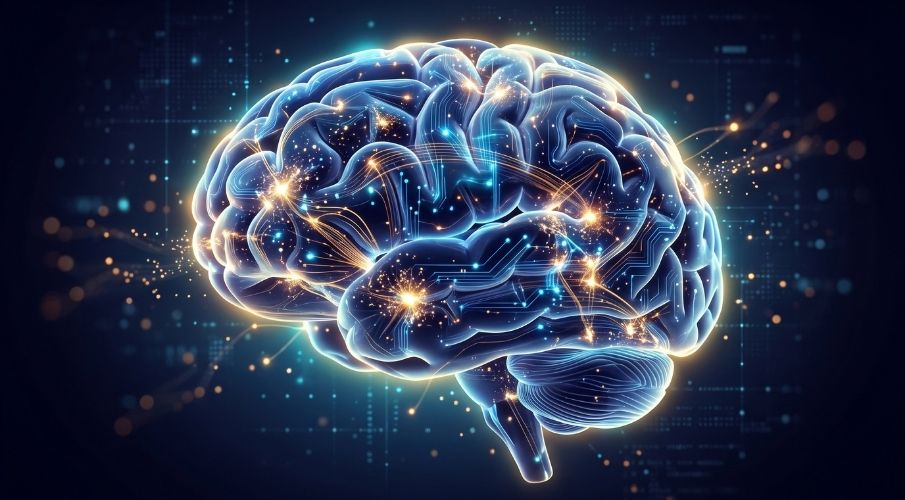
For example, when you touch something hot, your nervous system helps you react quickly. When you read a book, your brain helps you understand words and remember information. When you meet someone you know, your brain helps you recognize their face and recall their name.
We can understand the importance of the brain by looking at its everyday functions.
| Brain Function | Importance in Daily Life |
|---|---|
| Memory | Helps us remember people, places, information and past events. |
| Learning | Helps us understand new subjects and develop skills. |
| Concentration | Helps us pay attention during work, study and daily activities. |
| Decision-Making | Helps us compare options, solve problems and make choices. |
| Movement | Works with nerves and muscles to control normal body movement. |
| Emotions | Helps process feelings, stress and emotional responses. |
| Sleep | Helps regulate sleep and wakefulness. |
| Automatic Functions | Helps regulate breathing, heartbeat and other essential functions. |
We should also understand that brain health is not only about having a good memory. It includes healthy thinking, normal nerve communication, emotional wellbeing and the ability to perform everyday tasks.
Does the Brain Use Nutrition Before Other Body Organs?
Many people believe that whenever we eat food, the brain takes all the nutrients first and the remaining nutrition goes to the rest of the body. This is not exactly how the human body works.
After we eat, food passes through the digestive system. Nutrients are absorbed into the bloodstream and transported to different organs, including the brain, heart, liver, muscles and kidneys.
The brain has a particularly high and continuous energy requirement. It depends on healthy blood circulation to receive oxygen and glucose. Glucose is its main fuel under normal conditions, although the brain can also use ketones in certain situations.
Unlike some other tissues, the brain does not store a large supply of energy for later use. That is why a steady supply of nutrients and oxygen is important.
However, eating extra sugar or taking large amounts of vitamins does not automatically improve brain performance. A balanced diet, normal blood glucose levels and good overall health are more important.
What Happens When the Brain Does Not Receive Enough Energy?
If the brain receives too little glucose or oxygen, normal function can be affected. The effects depend on the cause and severity.
For example, low blood glucose may cause shakiness, sweating, confusion or difficulty concentrating. A serious interruption of oxygen or blood supply can cause permanent brain injury and requires emergency treatment.
Ordinary forgetfulness or tiredness, however, does not prove that the brain is receiving too little food. These symptoms can also result from poor sleep, stress, medicines or other medical conditions.
Common Brain Health Problems and Their Causes
We often hear people complain that their memory is becoming weak, they cannot concentrate, they feel mentally tired or they become restless without a clear reason.

These complaints are common, but their causes can be different. Some are related to lifestyle, while others need medical assessment.
| Problem or Symptom | Factors That May Be Involved |
|---|---|
| Body Weakness | Anemia, poor nutrition, illness, dehydration or insufficient sleep. |
| Memory Problems | Stress, poor sleep, medication effects, vitamin deficiencies or neurological conditions. |
| Restlessness | Stress, anxiety, excess caffeine, poor sleep or medical problems. |
| High Blood Pressure | Family history, kidney disease, high salt intake and cardiovascular risk factors. Uncontrolled blood pressure can also harm brain health. |
| Poor Concentration | Sleep loss, distractions, emotional stress, depression or attention-related conditions. |
| Mental Fatigue | Long working hours, stress, insufficient rest or underlying illness. |
| Frequent Headaches | Migraine, tension, dehydration, eye strain or other causes. |
| Poor Sleep | Irregular routine, stress, caffeine, sleep apnea or medication effects. |
| Mood Changes | Stress, mental health conditions, hormonal changes or poor sleep. |
| Dizziness | Dehydration, blood pressure changes, inner-ear problems or illness. |
| Numbness or Tingling | Vitamin B12 deficiency, diabetes, nerve compression or other nerve problems. |
| Difficulty Learning | Poor sleep, stress, attention difficulties or learning disorders. |
| Confusion | Medication effects, infections, low blood sugar or neurological conditions. Sudden confusion needs urgent assessment. |
| Balance Problems | Inner-ear conditions, nerve problems, medicines or neurological disease. |
We should not assume that every symptom in this table is caused by a vitamin deficiency or weak brain nutrition. If symptoms continue, become worse or interfere with normal life, a doctor can help identify the actual cause.
What Are the Benefits of Maintaining a Healthy Brain?
A healthy brain helps us live independently, learn new skills, maintain relationships and complete daily responsibilities. Good brain health becomes even more important as we grow older.
1. Better Learning and Understanding
Normal cognitive function helps students understand lessons and adults learn new information. Proper sleep, nutrition and a suitable learning environment all contribute to this ability.
2. Healthy Memory Function
Memory helps us remember names, appointments, instructions and important events. Sleep and healthy daily routines support normal memory processing.
3. Clear Thinking and Decision-Making
Healthy cognitive function helps us evaluate information, solve problems and make everyday decisions.
4. Better Attention During Daily Tasks
Good sleep, fewer distractions and normal emotional wellbeing can help us maintain attention during work and study.
5. Normal Emotional Regulation
The brain plays an important role in how we respond to stress, excitement, sadness and other emotions.
6. Healthy Movement and Coordination
The brain works with the spinal cord, nerves and muscles to control movement, balance and coordination.
7. Support for Healthy Aging
Regular exercise, social activity, balanced nutrition and cardiovascular health are important parts of maintaining cognitive health with age.
8. Better Independence in Everyday Life
Normal memory, judgment and coordination help us manage shopping, travel, work, household activities and personal responsibilities.
These benefits come from maintaining overall brain health. They should not be interpreted as guaranteed results from taking a particular supplement.
Why Do Brain Health Problems Develop?
Brain health can be affected by lifestyle, nutrition, medical conditions, age and environmental factors. We will look at some of the most important causes.
Poor Sleep
Sleep is important for memory processing, attention and emotional wellbeing. Repeatedly sleeping too little can make thinking and concentration more difficult.
Long-Term Stress
Stress can affect attention, mood and the ability to remember information. People experiencing ongoing stress may find it harder to complete everyday tasks.
Nutritional Deficiencies
Deficiencies in nutrients such as vitamin B12, folate or iron may affect normal health. Some deficiencies can also cause neurological or cognitive symptoms.
High Blood Pressure
Uncontrolled high blood pressure can damage blood vessels over time, including vessels that supply the brain. This increases the risk of stroke and other health problems.
Diabetes and Blood Glucose Problems
Diabetes can affect blood vessels and nerves. Very low blood glucose can also cause confusion and other immediate symptoms.
Physical Inactivity
Regular movement supports cardiovascular health, while a sedentary lifestyle may increase several long-term health risks.
Smoking and Excessive Alcohol
Smoking increases the risk of vascular disease and stroke. Heavy alcohol use can also damage brain and nerve function.
Medical and Mental Health Conditions
Depression, thyroid problems, sleep apnea, neurological diseases and medication effects can all influence memory, attention or energy.
Age-Related Changes
Some changes in thinking speed occur with age. However, serious memory loss that affects daily independence should not simply be accepted as normal aging.
How Much Nutrition Does the Brain Need Daily?
The adult brain uses approximately 20% of the body’s energy at rest. This is a large amount for an organ that represents only about 2% of total body weight.
For example, if an adult’s resting energy expenditure is approximately 1,500 calories per day, around 300 calories may be used by the brain. This is only an illustration, not a separate food target or an exact requirement for every person.
We do not need to eat an extra meal just for the brain. Its energy needs are already included in our total daily energy requirements.
Does the Brain Need Glucose Every Day?
Yes. Under normal conditions, glucose is the brain’s main fuel. The body regulates blood glucose through digestion, energy storage and normal metabolic processes.
However, this does not mean we should eat large amounts of sweets, sugar or sugary drinks. Whole grains, fruit, vegetables and other balanced foods are better ways to support general nutrition.
How Much Water Does the Brain Need?
There is no separate daily water requirement only for the brain. Hydration needs vary with body size, activity, weather, health and diet.
In Pakistan’s hot weather, fluid loss through sweating can be high. Drinking water regularly and replacing lost fluids helps maintain normal hydration.
Does the Brain Need Protein and Healthy Fats?
Yes. Protein supplies amino acids needed for normal body processes, including the production of certain neurotransmitters. Healthy fats are important components of cell membranes, including brain cell membranes.
Important Vitamins, Minerals and Nutrients for Brain Health
Before discussing supplements, we should understand that normal brain function depends on several nutrients working together. One vitamin or mineral cannot replace a balanced diet.
| Nutrient | Role in Brain and Nervous System Health |
|---|---|
| Vitamin B1 | Supports normal energy metabolism and nerve function. |
| Vitamin B6 | Involved in amino acid and neurotransmitter metabolism. |
| Vitamin B12 | Needed for normal nerve function and healthy red blood cells. |
| Folate | Supports normal cell division and important metabolic processes. |
| Vitamin C | Provides antioxidant activity and supports several normal body functions. |
| Vitamin E | Helps protect cells against oxidative damage. |
| Magnesium | Involved in nerve signaling and normal energy metabolism. |
| Iron | Helps red blood cells transport oxygen throughout the body. |
| Zinc | Supports normal cell function and many enzyme processes. |
| Choline | Needed for cell membranes and acetylcholine production. |
| Omega-3 DHA | An important structural component of brain cell membranes. |
| Protein | Provides amino acids needed for normal body and nervous system functions. |
We should also understand that taking more of these nutrients does not always mean better memory. Supplements are most useful when they address a genuine nutritional need, and high doses of certain vitamins or minerals can cause harm.
Best Foods for Brain Health in Pakistan
Many people believe that healthy brain nutrition requires expensive imported products. However, several everyday Pakistani foods already provide useful nutrients.
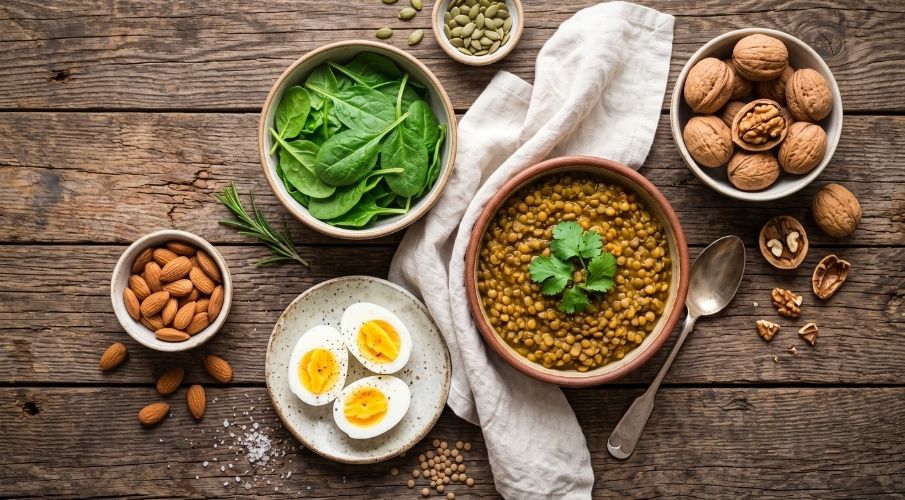
Eggs
Eggs provide protein, choline and several vitamins. Choline is important for normal cell membrane structure and acetylcholine production.
Fish
Fish provides protein, while oily fish supplies omega-3 fatty acids such as DHA and EPA. DHA is an important structural fat in the brain.
Walnuts and Almonds
These nuts provide healthy fats and other nutrients. They can be included in a balanced diet in suitable portions.
Daal, Chickpeas and Beans
These affordable foods provide protein, fiber and several minerals. They are useful for daily nutrition.
Green Vegetables
Spinach and other green vegetables provide folate and additional nutrients needed for normal body functions.
Whole Wheat Roti and Oats
Whole grains provide carbohydrates and fiber. They can form part of a balanced meal that supports steady daily energy intake.
Milk and Yogurt
Milk and yogurt provide protein and other nutrients. Unsweetened options can be useful as part of a balanced diet.
Fresh Fruits
Oranges, guava, apples, bananas and other fruits provide vitamins, fiber and water. Eating a variety of fruits is better than relying on one fruit for every nutritional need.
Seeds
Pumpkin seeds, sunflower seeds and other edible seeds provide healthy fats and minerals.
A balanced Pakistani meal containing roti, daal, vegetables, yogurt and a suitable protein source can provide several nutrients important for the whole body, including the brain.
NOW Foods Brain Health Supplements in Pakistan
Now that we understand the importance of brain nutrition, we will look at the NOW Foods supplements selected from RxHub.
NOW Foods offers several types of cognitive and nervous system support products. Some contain amino acids, some provide choline-related nutrients, while others contain herbal extracts, magnesium, omega-3 fatty acids or compounds naturally found in cell membranes.
We have included only the 14 NOW Foods products supplied for this article. The following table explains their main ingredients and nutritional purposes, with direct links to their individual RxHub product pages.
| NOW Foods Brain Health Supplement | Main Ingredients and Support |
|---|---|
| NOW Brain Elevate – 60 Veg Capsules | Contains Ginkgo Biloba, Choline, Phosphatidyl Serine, Gotu Kola and other ingredients for cognitive nutritional support. |
| NOW True Focus – 90 Veg Capsules | Contains L-Tyrosine, L-Phenylalanine, Vitamin B6 and other nutrients involved in normal neurotransmitter metabolism and mental alertness. |
| NOW Alpha GPC 300mg Capsules | Provides Alpha GPC, a choline source involved in acetylcholine production and normal nerve cell communication. |
| NOW Choline & Inositol – 100 Capsules | Provides Choline and Inositol for normal cell membrane structure, nerve transmission and related metabolic functions. |
| NOW L-Theanine 100mg – 90 Capsules | Contains L-Theanine, an amino acid commonly used in supplements for relaxation and calm focus. |
| NOW L-Theanine 200mg Double Strength – 60 Capsules | A higher-strength L-Theanine option for adults interested in relaxation and calm mental focus. |
| NOW Lion’s Mane 500mg – 60 Veg Capsules | Lion’s Mane mushroom supplement marketed for cognitive support; research on benefits in humans remains limited. |
| NOW Soy-Free Phosphatidyl Serine 150mg – 60 Capsules | Provides Phosphatidyl Serine, a phospholipid involved in normal cell membrane structure and function. |
| NOW Extra Strength Phosphatidyl Serine 300mg – 50 Softgels | A higher-strength Phosphatidyl Serine formula for cell membrane and cognitive nutritional support. |
| NOW CurcuBrain 400mg – 50 Veg Capsules | Contains a specialized curcumin ingredient marketed for cognitive support and antioxidant activity. |
| NOW Ginkgo Biloba 120mg | Provides standardized Ginkgo Biloba extract, a botanical ingredient researched for cognitive health. |
| NOW Ginkgo Biloba 60mg – 60 Veg Capsules | Provides Ginkgo Biloba extract with additional leaf powder for herbal brain health support. |
| NOW Magtein Magnesium L-Threonate – 90 Capsules | Contains magnesium in the Magtein form, marketed for cognitive and nervous system support. |
| NOW Omega-3 Mini Gels Fish Oil – 180 Softgels | Provides omega-3 fatty acids, including DHA, which is an important structural component of brain cell membranes. |
We should remember that these supplements do not all serve the same purpose. A choline supplement is different from a Ginkgo extract, and an omega-3 fish oil supplement is different from an L-Theanine product.
Also, a supplement’s nutritional role does not automatically mean it can improve memory, increase intelligence or prevent dementia. Scientific evidence varies by ingredient, dose and the people being studied.
Understanding the Main Ingredients in NOW Foods Brain Health Supplements
To compare these products properly, we need to understand the main ingredients instead of looking only at product names.
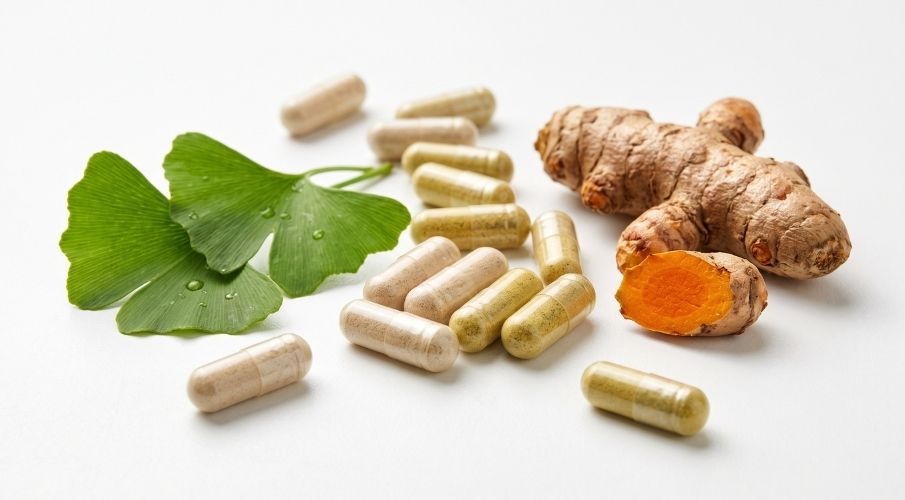
1. Ginkgo Biloba
Ginkgo Biloba is a botanical extract commonly included in brain health supplements. It has been studied for cognitive function, but research has not established that it prevents dementia or reliably improves memory in healthy adults.
NOW Brain Elevate and NOW True Focus also contain Ginkgo, so combining them with a separate Ginkgo supplement may increase exposure to the same ingredient.
2. Alpha GPC and Choline
Choline is an important nutrient involved in cell membranes and the production of acetylcholine, a neurotransmitter involved in nerve communication.
Alpha GPC provides a form of choline, while NOW Choline & Inositol combines two nutrients associated with cell membrane and nervous system functions.
3. L-Theanine
L-Theanine is an amino acid naturally found in tea. It is often used in supplements marketed for relaxation and calm focus.
NOW Foods offers different L-Theanine strengths, including the 100mg and 200mg products in our comparison table. A higher amount is not automatically better for every person.
4. Lion’s Mane Mushroom
Lion’s Mane is a mushroom that has attracted research interest for neurological and cognitive health. Early findings are interesting, but human evidence remains limited.
We should not describe Lion’s Mane as a proven treatment for memory loss, nerve damage or dementia.
5. Phosphatidyl Serine
Phosphatidyl Serine is a phospholipid found in cell membranes, including brain cells. It contributes to normal membrane structure and function.
NOW Foods offers different strengths, including the 150mg and 300mg products listed above. The higher-strength product should not automatically be considered more effective.
6. Curcumin
Curcumin is a natural compound found in turmeric. NOW CurcuBrain uses a specialized curcumin formula marketed for cognitive support.
Curcumin has been studied for several biological activities, but evidence that it meaningfully improves cognition in healthy people is still developing.
7. Magnesium L-Threonate
Magnesium is an essential mineral involved in normal nerve and muscle function. Magnesium L-threonate is a specialized form marketed for cognitive support.
NOW Magtein provides this form of magnesium. However, evidence for improved memory or learning in humans is not yet strong enough to promise results.
8. Omega-3 DHA
DHA is an omega-3 fatty acid found in brain cell membranes. It plays an important structural role in normal brain function.
Eating fish as part of a balanced diet is associated with several health benefits. However, taking omega-3 supplements has not been proven to prevent dementia or treat Alzheimer’s disease.
9. Amino Acids for Neurotransmitter Metabolism
NOW True Focus contains amino acids such as L-Tyrosine and L-Phenylalanine. These are involved in pathways used by the body to produce certain neurotransmitters.
This is different from claiming that taking the supplement will directly increase concentration in every person. People with phenylketonuria must avoid products containing phenylalanine unless specifically advised by their medical team.
How to Choose a Brain Support Supplement in Pakistan
With so many products available, buyers often ask which supplement is best for memory, focus or general brain health.
We recommend comparing products according to their ingredients and intended nutritional roles rather than assuming every brain supplement provides the same benefits.
| Area of Interest | Relevant NOW Foods Product Types |
|---|---|
| Multi-Ingredient Cognitive Nutrition | Brain Elevate and True Focus |
| Choline-Related Nutrition | Alpha GPC and Choline & Inositol |
| Relaxation and Calm Focus | L-Theanine 100mg and 200mg |
| Herbal Cognitive Support | Ginkgo Biloba, Lion’s Mane and CurcuBrain |
| Cell Membrane Nutrition | Phosphatidyl Serine and Omega-3 Mini Gels |
| Magnesium and Nervous System Support | Magtein Magnesium L-Threonate |
Before buying any Brain Health Supplement in Pakistan, check the ingredient amounts, serving size, precautions, allergies and possible interactions with medicines.
We should also avoid taking several formulas together without professional advice. For example, more than one product may contain Ginkgo, Choline or other overlapping ingredients.
12 Daily Tips to Support Better Brain Health
Supplements cannot replace the daily habits that help protect our brain. We will look at 12 practical steps that can fit into everyday life in Pakistan.

1. Get Enough Sleep
Most adults need around 7 to 9 hours of sleep each night. A regular sleep schedule supports normal memory, attention and emotional wellbeing.
2. Eat a Balanced Breakfast
A balanced breakfast may help people who feel hungry or tired in the morning. Eggs, whole wheat roti, yogurt, fruit or other suitable foods can provide useful nutrients.
3. Include Healthy Fats
Fish, nuts, seeds and other healthy fat sources can form part of a balanced diet. These foods supply fats needed for normal body functions.
4. Walk or Exercise Regularly
Regular physical activity supports heart and blood vessel health. For many adults, aiming for at least 150 minutes of moderate activity per week is a useful general target.
5. Drink Water Throughout the Day
Proper hydration is important, especially during hot weather. Fluid needs increase with sweating and physical activity.
6. Control High Blood Pressure
Managing blood pressure helps protect blood vessels and reduces the risk of stroke and other cardiovascular problems.
7. Manage Blood Glucose
People with diabetes should follow their treatment plan, monitor blood glucose as advised and avoid stopping prescribed medicines for supplements.
8. Keep Your Mind Active
Reading, writing, learning new skills, playing strategy games and practicing useful hobbies can keep the mind engaged.
9. Reduce Long-Term Stress
Make time for rest, exercise, healthy social contact and activities you enjoy. Professional support may be needed when stress becomes difficult to manage.
10. Avoid Smoking
Smoking increases the risk of vascular disease and stroke. Quitting smoking is an important step for long-term health.
11. Maintain Social Connections
Spending time with family and friends supports emotional wellbeing and can help reduce social isolation.
12. Check Your Health When Symptoms Continue
Persistent tiredness, worsening memory, numbness, sleep problems or poor concentration may need medical assessment. Identifying the cause is more useful than trying random supplements.
When Should You See a Doctor for Brain Health Problems?
Occasional forgetfulness is common, especially during stress or poor sleep. However, some symptoms need proper medical attention.
Arrange a medical appointment if you notice:
- Memory problems that are becoming worse.
- Difficulty completing familiar daily tasks.
- Repeated confusion or unusual changes in behavior.
- Persistent concentration problems affecting work or study.
- Frequent unexplained headaches.
- Ongoing numbness, tingling or balance problems.
- Severe or persistent sleep difficulties.
Seek emergency medical care immediately if someone develops sudden weakness on one side of the body, facial drooping, difficulty speaking, sudden vision loss, sudden severe headache or sudden confusion. These may be signs of stroke or another medical emergency.
We should never delay medical care while waiting for a brain supplement to work.
Frequently Asked Questions About NOW Foods Brain Health Supplements in Pakistan
1. What are brain health supplements?
Brain health supplements are dietary products containing nutrients, herbs, minerals or other ingredients marketed to support normal cognitive and nervous system functions.
2. Which NOW Foods Brain Health Supplements are included at RxHub?
We have included 14 selected products, including Brain Elevate, True Focus, Alpha GPC, Choline & Inositol, L-Theanine, Lion’s Mane, Phosphatidyl Serine, CurcuBrain, Ginkgo Biloba, Magtein and Omega-3 Mini Gels.
3. What is the best brain health supplement in Pakistan?
There is no single best supplement for everyone. The right choice depends on nutritional needs, medical history, current medicines and the purpose of use.
4. Can brain supplements improve memory?
Some ingredients have been studied for memory and cognitive function, but evidence varies. Supplements do not guarantee better memory in healthy adults.
5. How much energy does the brain use daily?
The brain uses approximately 20% of an adult’s resting energy, although the actual amount varies between individuals.
6. Does the brain take nutrients before other organs?
No. Nutrients travel through the bloodstream to different organs. The brain has a high energy requirement and needs a continuous supply, but it does not take all food before other tissues.
7. Which vitamin is important for brain health?
Several vitamins are important, including B1, B6, B12 and folate. A balanced diet helps provide these nutrients, while deficiencies may require medical assessment and treatment.
8. Is vitamin B12 deficiency linked to memory problems?
Vitamin B12 deficiency can cause neurological symptoms, including cognitive difficulties in some people. Diagnosis and treatment should be guided by a healthcare professional.
9. Is Omega-3 DHA important for the brain?
Yes. DHA is an important structural component of brain cell membranes. However, taking extra DHA does not guarantee improved memory.
10. What does NOW Alpha GPC provide?
NOW Alpha GPC provides a form of choline involved in acetylcholine production and normal nerve communication.
11. What is the difference between NOW L-Theanine 100mg and 200mg?
The main difference is the stated L-Theanine strength. Buyers should also check the complete ingredients and directions on each product label.
12. Is Ginkgo Biloba useful for memory?
Ginkgo has been studied for cognitive health, but there is no conclusive evidence that it prevents dementia or reliably improves memory in healthy people.
13. What is NOW Brain Elevate used for?
NOW Brain Elevate is a multi-ingredient supplement marketed for cognitive nutritional support. Its formula includes Ginkgo, Choline, Phosphatidyl Serine and other ingredients.
14. What is NOW True Focus used for?
NOW True Focus provides amino acids and supporting nutrients involved in normal neurotransmitter metabolism. It is marketed for alertness and focus support.
15. Is Lion’s Mane good for brain health?
Lion’s Mane is being researched for cognitive health, but current human evidence is limited. It is not an established treatment for neurological disease.
16. What is Phosphatidyl Serine?
Phosphatidyl Serine is a phospholipid found in cell membranes, including those of brain cells. It helps maintain normal membrane structure and function.
17. Is Magtein different from ordinary magnesium?
Yes. Magtein is a branded magnesium L-threonate ingredient. It is marketed for cognitive support, although further research is needed to establish its benefits in humans.
18. Can stress cause poor memory and concentration?
Yes. Stress can affect attention, sleep and the ability to remember information. Persistent symptoms may require medical assessment.
19. Can high blood pressure affect brain health?
Yes. Long-term uncontrolled high blood pressure can damage blood vessels and increase the risk of stroke and cognitive problems.
20. Can I take two brain health supplements together?
Do not combine supplements without checking their ingredients and precautions. Some products contain overlapping compounds, and certain ingredients can interact with medicines.
21. Are brain health supplements suitable for students?
Students usually benefit most from adequate sleep, balanced meals, exercise and effective study habits. Supplements should be considered only when appropriate for age, health and nutritional needs.
22. Are brain supplements suitable for older adults?
Some older adults may have specific nutritional needs, but supplements should be selected carefully because medicines and health conditions can increase the risk of interactions.
23. Can brain supplements prevent Alzheimer’s disease?
No dietary supplement has been conclusively shown to prevent Alzheimer’s disease. Anyone experiencing progressive memory loss should seek medical assessment.
24. Where can I buy NOW Foods Brain Health Supplements in Pakistan?
You can explore the 14 selected NOW Foods products through the direct RxHub product links in our comparison table. Each product page provides more information about its formula and intended use.
Closing Notes on Brain Health
The human brain works throughout our lives, helping us learn, remember, think, move and manage everyday activities. It needs a continuous supply of oxygen and energy, along with balanced nutrition and healthy blood circulation.
In this article, we have explained the importance of brain health, common causes of memory and concentration problems, daily energy requirements, important nutrients and practical habits that support normal brain function.
We have also compared 14 NOW Foods Brain Health Supplements listed at RxHub in Pakistan. These products contain different ingredients, including Choline, Alpha GPC, L-Theanine, Ginkgo Biloba, Phosphatidyl Serine, Lion’s Mane, Curcumin, Magnesium L-Threonate and Omega-3 DHA.
Our aim is to help readers understand these differences before choosing a supplement. Not every product is suitable for every person, and nutritional support should not be confused with medical treatment.
Before buying a Brain Health Supplement in Pakistan, focus on the ingredients, intended nutritional role, serving size, safety information and your actual health needs. Good sleep, balanced food, regular exercise and proper medical care remain the foundation of long-term brain health.
Medical Disclaimer: This article is for general educational information only. Dietary supplements are not intended to diagnose, treat, cure or prevent disease. Consult a qualified healthcare professional before using supplements if you have a medical condition, take regular medicines, are pregnant or breastfeeding, or have persistent cognitive or neurological symptoms.