Benefits of Pumpkin Seed Oil – Uses, Nutrition & Side Effects
Benefits of Pumpkin Seed Oil – Uses, Nutrition, Prostate Health and Side Effects
Pumpkin is a common vegetable in Pakistan, where many people know it as Kaddu. We often use pumpkin in everyday meals, but most people do not pay much attention to its seeds. These small seeds contain healthy fats and several useful plant nutrients. When oil is extracted from them, it is called Pumpkin Seed Oil.
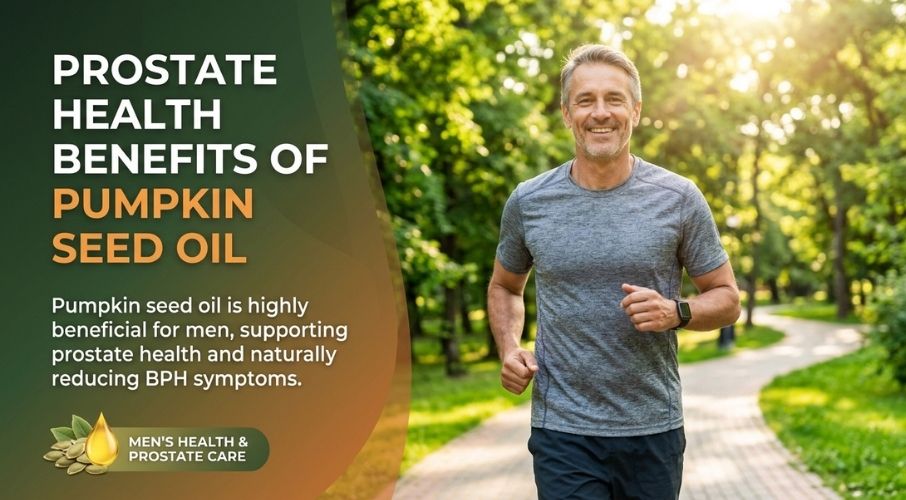
Pumpkin Seed Oil has become popular in food supplements, especially those related to men’s health, prostate support, urinary function and general nutrition. It is also found in some hair care products and formulas containing essential fatty acids.
However, many people do not know what Pumpkin Seed Oil actually contains, how it works in the body, whether it is useful for women, or how it differs from ordinary pumpkin seeds.
In this article, we will discuss the benefits of Pumpkin Seed Oil, its nutritional value, uses for men and women, possible effects on prostate and urinary health, its role in hair and skin care, and the precautions to consider before taking it.
We will also compare seven NOW Foods supplements listed at RxHub in Pakistan that contain Pumpkin Seed Oil. Some provide Pumpkin Seed Oil as the main ingredient, while others combine it with Zinc, Saw Palmetto, Pygeum, vitamins or other nutritional oils.
Table of Contents
- What Is Pumpkin Seed Oil?
- Nutritional Components of Pumpkin Seed Oil
- Benefits of Pumpkin Seed Oil
- Pumpkin Seed Oil for Prostate Health
- Pumpkin Seed Oil for Urinary Health
- Pumpkin Seed Oil for Hair Growth
- Pumpkin Seed Oil for Skin Health
- Benefits for Men and Women
- Pumpkin Seeds vs Pumpkin Seed Oil
- NOW Foods Supplements Containing Pumpkin Seed Oil in Pakistan
- How to Choose a Pumpkin Seed Oil Supplement
- How to Use Pumpkin Seed Oil
- Side Effects of Pumpkin Seed Oil
- Daily Nutrition and Healthy Lifestyle Tips
- Frequently Asked Questions
- Closing Notes on Pumpkin Seed Oil
What Is Pumpkin Seed Oil?
Pumpkin Seed Oil is a vegetable oil extracted from pumpkin seeds. Pumpkins belong to the Cucurbita plant group, and the oil used in many supplements commonly comes from Cucurbita pepo seeds.
The seeds contain natural fats, including unsaturated fatty acids, along with plant compounds such as phytosterols and tocopherols.
Manufacturers can extract the oil through different processes. One commonly used method is cold pressing, which removes oil through mechanical pressure without using chemical solvents.
NOW Foods Pumpkin Seed Oil 1000mg is an example of a cold-pressed nutritional oil made from non-GMO pumpkin seeds.
We should remember that Pumpkin Seed Oil is different from whole pumpkin seeds. The oil mainly provides fats and oil-soluble compounds, while whole seeds also contain protein, fiber and minerals.
What Nutrients Are Found in Pumpkin Seed Oil?
Pumpkin Seed Oil is mainly valued for its fatty acids and naturally occurring plant compounds. Its exact composition depends on the pumpkin variety, growing conditions and extraction method.
| Nutritional Component | Role or Importance |
|---|---|
| Linoleic Acid (Omega-6) | An essential fatty acid involved in normal cell membrane structure and skin barrier function. |
| Oleic Acid (Omega-9) | A monounsaturated fatty acid found in several vegetable oils. |
| Phytosterols | Plant sterols studied for their roles in cholesterol metabolism and certain men’s health formulations. |
| Tocopherols | Vitamin E related compounds with antioxidant activity. |
| Other Plant Compounds | Minor natural components that vary depending on the oil and its processing. |
| Dietary Fat | Provides energy and helps the body absorb fat-soluble nutrients from food. |
Unlike whole pumpkin seeds, Pumpkin Seed Oil is not a meaningful source of protein, fiber or large amounts of Zinc. If you specifically need Zinc, a Zinc supplement or suitable Zinc-rich foods may be more relevant.
Benefits of Pumpkin Seed Oil
The main benefits of Pumpkin Seed Oil relate to its unsaturated fatty acids and plant compounds. Some possible health uses have also been investigated in clinical studies, although the evidence is not equally strong for every claim.
1. Provides Essential Fatty Acids
Pumpkin Seed Oil contains linoleic acid, an essential Omega-6 fatty acid that the body cannot produce on its own.
Essential fatty acids are needed for normal cell membrane structure and several important biological functions.
This makes Pumpkin Seed Oil a source of nutritional fats, although many people already receive sufficient Omega-6 from their regular diets.
2. Supports Normal Cell Function
The fatty acids found in Pumpkin Seed Oil form part of the fats used throughout the body. Healthy cell membranes are important for normal tissue function.
However, this does not mean Pumpkin Seed Oil can repair damaged organs or cure diseases.
3. Provides Natural Plant Sterols
Phytosterols are naturally occurring compounds found in plants and vegetable oils.
They are often included in nutritional products and men’s health supplements. Their presence is one reason Pumpkin Seed Oil appears alongside ingredients such as Saw Palmetto and Pygeum.
4. Contains Antioxidant Compounds
Pumpkin Seed Oil naturally contains tocopherols and other minor plant compounds with antioxidant properties.
Antioxidants help protect cells from oxidative damage. However, the antioxidant content of a particular oil depends on its quality and processing.
5. May Support Urinary Comfort
Pumpkin Seed Oil has been studied in adults with certain urinary symptoms, including symptoms associated with an enlarged prostate.
Some studies have reported modest improvements, but the evidence is limited and results are not consistent across all research.
It should not replace medical treatment for urinary problems.
6. May Support Certain Aspects of Hair Health
Small clinical studies have investigated oral Pumpkin Seed Oil for male pattern hair loss.
Some encouraging findings have been reported, but larger studies are needed before we can say that Pumpkin Seed Oil reliably improves hair growth.
7. Can Be Included in a Balanced Diet
Food-grade Pumpkin Seed Oil can be used as part of a varied diet. Like other oils, it provides energy and fats.
It is best used in moderate amounts rather than added on top of an already high-fat diet without considering total calorie intake.
Pumpkin Seed Oil for Prostate Health
Prostate health is one of the main reasons Pumpkin Seed Oil is included in men’s supplements.
The prostate is a small gland located below the bladder in men. It surrounds part of the urethra, the tube that carries urine out of the body.
As men grow older, the prostate may become enlarged. This condition is called benign prostatic hyperplasia, or BPH.
Common Symptoms of an Enlarged Prostate
- Frequent urination, especially at night.
- Difficulty starting urination.
- Weak urine flow.
- Feeling that the bladder has not emptied completely.
- Stopping and starting during urination.
- Urgent need to urinate.
These symptoms can also occur with urinary infections, bladder problems and other medical conditions. They should not be assumed to be caused by BPH without proper assessment.
How Does Pumpkin Seed Oil Relate to Prostate Support?
Pumpkin Seed Oil contains fatty acids and phytosterols that have attracted research interest in men’s urinary and prostate health.
Some clinical trials have studied pumpkin seed preparations in men with BPH-related urinary symptoms. Results suggest that certain preparations may offer modest symptom relief in some men.
However, the evidence is not strong enough to recommend Pumpkin Seed Oil as a replacement for established BPH treatments. Different studies have also used different pumpkin seed preparations and doses.
In NOW Foods supplements, Pumpkin Seed Oil is often combined with Saw Palmetto, Pygeum, Zinc or other ingredients. These formulas are marketed for prostate and urinary support, but their benefits should not be confused with proven treatment of prostate disease.
Pumpkin Seed Oil for Urinary Health
Urinary health includes normal bladder function, comfortable urination and healthy urine flow.
Research into Pumpkin Seed Oil has mainly focused on urinary symptoms in adults, especially men with BPH.
Some research has also explored pumpkin seed preparations for overactive bladder symptoms. However, the studies are limited, and not all results can be applied to every Pumpkin Seed Oil supplement.
Can Pumpkin Seed Oil Reduce Frequent Urination?
Some studies have reported improvements in urinary symptom scores, but results vary. Frequent urination can be caused by diabetes, infection, excessive fluid intake, medications and several other conditions.
If someone regularly wakes up at night to urinate or experiences sudden changes in urinary habits, medical evaluation is important.
Can Pumpkin Seed Oil Treat a Urinary Tract Infection?
No. Pumpkin Seed Oil is not an established treatment for urinary tract infections. A suspected infection may require testing and appropriate medical treatment.
Pumpkin Seed Oil for Hair Growth and Hair Health
Hair health is another reason people search for the benefits of Pumpkin Seed Oil.
A small randomized clinical trial involving 76 men with mild to moderate male pattern hair loss studied oral Pumpkin Seed Oil over 24 weeks.
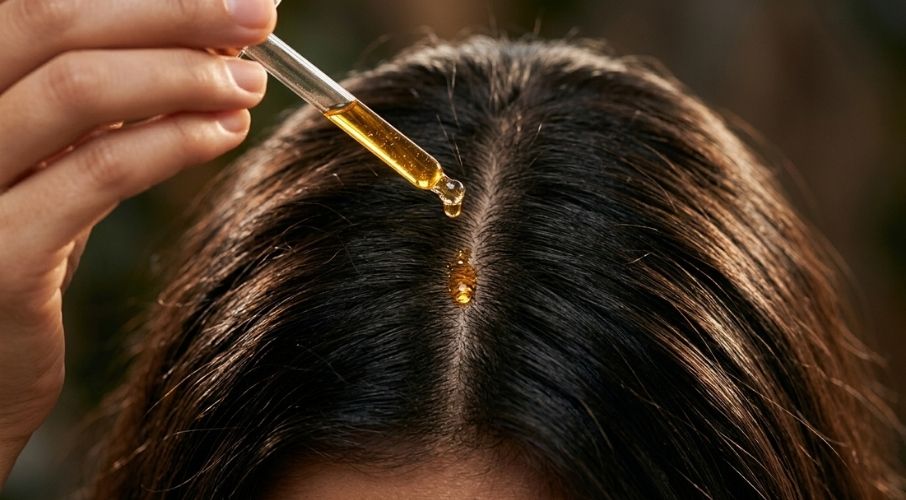
The study reported greater improvement in hair counts in the Pumpkin Seed Oil group than in the placebo group. However, one relatively small study does not prove that all Pumpkin Seed Oil supplements will produce the same results.
Hair loss can be caused by genetics, hormones, stress, thyroid problems, nutritional deficiencies and other conditions.
We should also distinguish between oral Pumpkin Seed Oil supplements and applying oil directly to the scalp. Evidence from an oral supplement study does not automatically establish the benefits of topical use.
Can Pumpkin Seed Oil Stop Hair Fall?
There is not enough evidence to say that Pumpkin Seed Oil can stop every type of hair fall.
People with sudden, severe or patchy hair loss should consult a dermatologist instead of relying only on oil or supplements.
Pumpkin Seed Oil for Skin Health
Pumpkin Seed Oil contains fatty acids, including linoleic acid, which is involved in normal skin barrier function.
The skin barrier helps reduce moisture loss and protects the body from environmental irritants.

When used as part of a balanced diet, nutritional fats contribute to normal skin health. Pumpkin Seed Oil may also be found in topical skin care products.
However, there is limited direct clinical evidence that taking Pumpkin Seed Oil capsules can treat acne, eczema, wrinkles or other skin conditions.
People with sensitive skin should patch-test a suitable topical product before applying it widely.
Benefits of Pumpkin Seed Oil for Men and Women
Pumpkin Seed Oil is often promoted for men, but its nutritional fatty acids are not limited to men’s health.
Benefits for Men
For men, Pumpkin Seed Oil is commonly included in supplements associated with prostate and urinary support.
It may also be used as a source of essential fatty acids and plant sterols. Its role in hair health has been investigated in a small clinical study.
Benefits for Women
Women can also obtain fatty acids from Pumpkin Seed Oil as part of their diet.
Research has explored pumpkin seed preparations for certain bladder symptoms, but evidence remains limited.
We should not claim that Pumpkin Seed Oil reliably balances hormones, treats menopause symptoms or improves fertility without stronger supporting evidence.
Does Pumpkin Seed Oil Increase Testosterone?
There is not enough reliable human evidence to say that Pumpkin Seed Oil supplements increase testosterone levels.
Men experiencing low energy, reduced marital interest or suspected hormonal problems should seek appropriate medical advice rather than assuming a supplement will correct the cause.
Pumpkin Seeds vs Pumpkin Seed Oil – What Is the Difference?
Although both come from pumpkins, whole seeds and extracted oil have different nutritional profiles.
| Feature | Pumpkin Seeds | Pumpkin Seed Oil |
|---|---|---|
| Main Form | Whole or roasted seeds | Extracted vegetable oil |
| Protein | Provides plant protein | Not a meaningful source |
| Fiber | Contains dietary fiber | Does not provide meaningful fiber |
| Zinc | Provides Zinc | Not a significant Zinc source |
| Magnesium | Provides Magnesium | Not a significant Magnesium source |
| Fatty Acids | Naturally present | Concentrated source of dietary fats |
| Common Uses | Food, snacks and recipes | Food oil and supplements |
If your goal is to obtain protein, Zinc, Magnesium and fiber from food, whole pumpkin seeds offer a broader nutritional profile. If you are specifically interested in Pumpkin Seed Oil and its fatty acids, an oil-based product provides a different form.
NOW Foods Supplements Containing Pumpkin Seed Oil in Pakistan
There are many Pumpkin Seed Oil products available internationally, but in this article we will focus on the seven NOW Foods supplements listed at RxHub.
We have included products in which Pumpkin Seed Oil appears either as a measured active nutritional ingredient or as part of the formulation.
It is important to understand the difference. Some products provide 1,000mg or more of Pumpkin Seed Oil per serving, while others contain much smaller amounts. In one multivitamin, Pumpkin Seed Oil is listed as an additional ingredient without a stated amount.
| NOW Foods Product | Pumpkin Seed Oil Content | Main Product Purpose |
|---|---|---|
| NOW Pumpkin Seed Oil 1000mg – 100 Softgels | 1,000mg per softgel; 2,000mg per 2-softgel serving | Dedicated cold-pressed Pumpkin Seed Oil supplement providing fatty acids and phytosterols. |
| NOW Saw Palmetto Extract 160mg – 90 Softgels | 1,000mg per 2-softgel serving | Saw Palmetto, Pumpkin Seed Oil and Zinc for men’s prostate and urinary support. |
| NOW Prostate Support – 90 Softgels | 1,000mg per 2-softgel serving | Multi-ingredient men’s health formula with Saw Palmetto, Stinging Nettle, Zinc and Lycopene. |
| NOW Zinc Glycinate 30mg Softgels | 250mg per softgel | Provides 30mg elemental Zinc with Pumpkin Seed Oil for normal immune and nutritional support. |
| NOW Pygeum 50mg & Saw Palmetto 160mg – 60 Softgels | 1,500mg per 2-softgel serving | Herbal men’s health formula with Pygeum, Saw Palmetto and Pumpkin Seed Oil. |
| NOW Omega 3-6-9 – 100 Softgels | 20mg per 2-softgel serving | Blend of Flax Seed, Evening Primrose, Canola, Black Currant and Pumpkin Seed Oils. |
| NOW ADAM Men’s Multi – 180 Softgels | Listed under other ingredients; amount not specified | Men’s multivitamin containing vitamins, minerals and additional plant ingredients. Pumpkin Seed Oil is part of the softgel formulation. |
Important: The Pumpkin Seed Oil amounts shown above are based on NOW Foods manufacturer Supplement Facts for the specified serving sizes. They are not all amounts per single softgel.
NOW ADAM Men’s Multi contains Pumpkin Seed Oil as an additional ingredient, but the manufacturer does not state a separate Pumpkin Seed Oil dose. Therefore, we should not compare it with a dedicated Pumpkin Seed Oil supplement on the basis of oil strength.
Which Pumpkin Seed Oil Supplement Should You Choose?
Choosing a product depends on whether you want Pumpkin Seed Oil itself or a combination formula with other nutrients.
For a Dedicated Pumpkin Seed Oil Supplement
NOW Pumpkin Seed Oil 1000mg is the most direct option among these seven products. It provides cold-pressed Pumpkin Seed Oil as its main nutritional ingredient.
For Men’s Prostate and Urinary Support
NOW Prostate Support, Saw Palmetto Extract and Pygeum & Saw Palmetto combine Pumpkin Seed Oil with other ingredients commonly found in men’s health formulas.
These products have different ingredient combinations and should not be treated as interchangeable medicines for enlarged prostate.
For Zinc Nutrition
NOW Zinc Glycinate 30mg provides Zinc as its main mineral ingredient and also contains 250mg of Pumpkin Seed Oil per softgel.
Zinc supports normal immune function and several important enzyme processes. However, 30mg is a substantial amount, so avoid combining it with other high-Zinc supplements without checking your total daily intake.
For Mixed Dietary Oils
NOW Omega 3-6-9 contains Pumpkin Seed Oil as one part of a five-oil blend. It is not a high-dose Pumpkin Seed Oil supplement.
For Daily Men’s Multivitamin Support
NOW ADAM Men’s Multi is primarily a multivitamin and mineral supplement. Pumpkin Seed Oil appears among its additional ingredients, but the quantity is not specified.
We should choose it for its overall multivitamin formula, not as a substitute for a dedicated Pumpkin Seed Oil product.
How to Use Pumpkin Seed Oil
Pumpkin Seed Oil can be consumed as a suitable food-grade oil or taken in softgel form according to the specific product label.
There is no single medically established daily Pumpkin Seed Oil dose for every health purpose.
For example, NOW Foods Pumpkin Seed Oil 1000mg provides 1,000mg per softgel. Its manufacturer suggests taking 2 softgels 1 to 2 times daily with food.
Other products in our comparison table have different serving sizes and ingredient amounts. Their directions should not be copied from the dedicated Pumpkin Seed Oil product.
Should Pumpkin Seed Oil Be Taken With Food?
Many Pumpkin Seed Oil softgel products recommend taking them with food. Follow the exact directions on your bottle.
How Long Does Pumpkin Seed Oil Take to Work?
There is no guaranteed time frame. Research into urinary symptoms and hair health has generally evaluated outcomes over weeks or months rather than hours or days.
The findings from those studies cannot be used to promise results for every product or person.
Can You Take Pumpkin Seed Oil Every Day?
Food-grade Pumpkin Seed Oil can be part of a balanced diet, while supplements should be taken according to their labels and individual health needs.
People taking medicines or managing medical conditions should ask a healthcare professional before starting regular supplementation.
Side Effects of Pumpkin Seed Oil
Pumpkin Seed Oil is generally used as a food oil, but supplements may not suit everyone. Individual reactions can vary.
Some people may experience:
- Mild stomach discomfort.
- Nausea or digestive upset.
- Loose stools after taking excessive amounts.
- Allergic reactions in people sensitive to pumpkin or related ingredients.
Softgel products may also contain gelatin, soy or other ingredients that matter for people with allergies or dietary restrictions.
Who Should Be Careful?
- People with a known pumpkin allergy.
- Pregnant or breastfeeding women considering concentrated supplements.
- People taking regular prescription medicines.
- People with ongoing prostate or urinary symptoms.
- Anyone combining several supplements with overlapping ingredients.
If you develop a serious allergic reaction, such as breathing difficulty or swelling of the face or throat, seek emergency medical care.
Do not stop prescribed medicines for prostate problems, blood pressure, diabetes or other conditions in order to use Pumpkin Seed Oil.
Healthy Lifestyle Tips Alongside Pumpkin Seed Oil
We should remember that a supplement cannot replace healthy daily habits. For better overall nutrition and urinary health, consider the following steps.
- Eat a balanced diet: Include vegetables, fruit, whole grains, protein foods and healthy fats.
- Stay hydrated: Drink enough fluids throughout the day, particularly during hot weather.
- Exercise regularly: Walking and other suitable activities support cardiovascular and general health.
- Maintain a healthy weight: Excess body weight can contribute to several health problems.
- Limit excessive caffeine: Too much tea, coffee or other caffeinated drinks may worsen urinary urgency in some people.
- Do not ignore urinary symptoms: Persistent difficulty urinating or frequent nighttime urination deserves medical assessment.
- Check supplement labels: Different products may contain overlapping ingredients such as Zinc or Saw Palmetto.
- Get enough sleep: Regular sleep supports normal recovery and general wellbeing.
Frequently Asked Questions About Pumpkin Seed Oil
1. What is Pumpkin Seed Oil?
Pumpkin Seed Oil is a vegetable oil extracted from pumpkin seeds. It contains unsaturated fatty acids, phytosterols and other naturally occurring plant compounds.
2. What are the main benefits of Pumpkin Seed Oil?
Its main nutritional benefits come from its fatty acids and plant compounds. It has also been studied for certain urinary symptoms and male pattern hair loss, although evidence remains limited.
3. Is Pumpkin Seed Oil good for prostate health?
Some studies suggest that certain pumpkin seed preparations may modestly improve BPH-related urinary symptoms. It is not an established replacement for prostate medicines.
4. Can Pumpkin Seed Oil reduce frequent urination?
Some research suggests benefits for certain urinary symptoms, but frequent urination has many causes. Persistent symptoms should be assessed by a doctor.
5. Can Pumpkin Seed Oil treat an enlarged prostate?
No. Pumpkin Seed Oil should not be presented as a cure or established medical treatment for benign prostatic hyperplasia.
6. Is Pumpkin Seed Oil good for hair growth?
A small study reported encouraging results in men with male pattern hair loss. More research is needed to confirm the effects and determine which preparations are useful.
7. Can women use Pumpkin Seed Oil?
Women can consume suitable food-grade Pumpkin Seed Oil as part of a balanced diet. Concentrated supplements require extra care during pregnancy or breastfeeding.
8. Does Pumpkin Seed Oil increase testosterone?
There is insufficient reliable human evidence to say that Pumpkin Seed Oil supplements increase testosterone.
9. Is Pumpkin Seed Oil rich in Zinc?
No. Whole pumpkin seeds provide Zinc, but extracted Pumpkin Seed Oil is not a significant Zinc source.
10. What is the difference between pumpkin seeds and Pumpkin Seed Oil?
Whole seeds provide protein, fiber, minerals and fats. Pumpkin Seed Oil mainly provides fats and oil-soluble plant compounds.
11. Is cold-pressed Pumpkin Seed Oil better?
Cold pressing extracts oil without chemical solvents. It is a common quality feature, but the nutritional value still depends on the source, storage and overall product quality.
12. How much Pumpkin Seed Oil is in NOW Pumpkin Seed Oil 1000mg?
Each softgel provides 1,000mg of Pumpkin Seed Oil. A serving of two softgels provides 2,000mg.
13. Does NOW Zinc Glycinate contain Pumpkin Seed Oil?
Yes. NOW Zinc Glycinate 30mg contains 250mg of cold-pressed Pumpkin Seed Oil per softgel.
14. Does NOW Prostate Support contain Pumpkin Seed Oil?
Yes. The manufacturer’s formula lists 1,000mg of Pumpkin Seed Oil per two-softgel serving, alongside other men’s health ingredients.
15. Does NOW ADAM Men’s Multi contain Pumpkin Seed Oil?
Yes. Pumpkin Seed Oil appears in the other ingredients, but the manufacturer does not provide a separate amount.
16. Is Pumpkin Seed Oil present in NOW Omega 3-6-9?
Yes. NOW Omega 3-6-9 includes 20mg of cold-pressed Pumpkin Seed Oil per two-softgel serving as part of a five-oil blend.
17. Can I combine Pumpkin Seed Oil with Saw Palmetto?
Some commercial products already combine both ingredients. However, you should check for overlapping doses and discuss supplement combinations with a healthcare professional.
18. Can Pumpkin Seed Oil cause side effects?
Some people may experience digestive discomfort or allergic reactions. Product-specific ingredients may create additional risks.
19. Is Pumpkin Seed Oil suitable for vegetarians?
The oil itself comes from plants. However, some softgel capsules contain bovine gelatin, so the finished product may not be vegetarian.
20. Where can I buy Pumpkin Seed Oil supplements in Pakistan?
You can explore the seven NOW Foods products containing Pumpkin Seed Oil through the direct RxHub links in our comparison table.
Closing Notes on Pumpkin Seed Oil
Pumpkin Seed Oil is a nutritional vegetable oil that provides unsaturated fatty acids, phytosterols and other naturally occurring plant compounds.
In this article, we have explained its nutritional value, common uses, potential role in prostate and urinary health, research related to hair growth, differences from whole pumpkin seeds and important safety precautions.
We have also compared seven NOW Foods supplements listed at RxHub in Pakistan. These include a dedicated Pumpkin Seed Oil supplement and combination formulas containing Saw Palmetto, Pygeum, Zinc, other dietary oils or multivitamins.
Before choosing a product, we should check how much Pumpkin Seed Oil it contains, whether it is the main ingredient or only part of the formula, and what other nutrients are included.
Pumpkin Seed Oil can contribute to daily nutrition, but it is not a guaranteed treatment for hair loss, prostate enlargement, urinary disease or hormonal problems. A balanced diet, healthy lifestyle and appropriate medical care remain essential.
Medical Disclaimer: This article is for general educational purposes only. Supplements are not intended to diagnose, treat, cure or prevent disease. Consult a qualified healthcare professional before using supplements if you have a medical condition, take prescription medicines, are pregnant or breastfeeding, or have persistent urinary or prostate symptoms.