What is Vitamin B1 (Thiamine)?
What is Vitamin B1 (Thiamine)? Benefits, Deficiency, Side Effects & Complete Guide
Vitamin B1, also known as Thiamine, is one of the eight essential B vitamins that help the body stay healthy and active. It plays an important role in converting food into energy, supporting the nervous system, and helping the heart and muscles function normally. Although the body only needs a small amount of Vitamin B1 every day, it is essential for many important processes that keep us healthy.
Vitamin B1 is a water-soluble vitamin, which means the body does not store large amounts of it. Any extra amount is removed through urine, so it is important to get enough Vitamin B1 from food or quality Food Supplements every day.
Many people do not realize that low Vitamin B1 levels can affect energy, concentration, nerves, and overall health. People who eat an unbalanced diet, have digestive problems, or have increased nutritional needs may not get enough Thiamine from food alone.
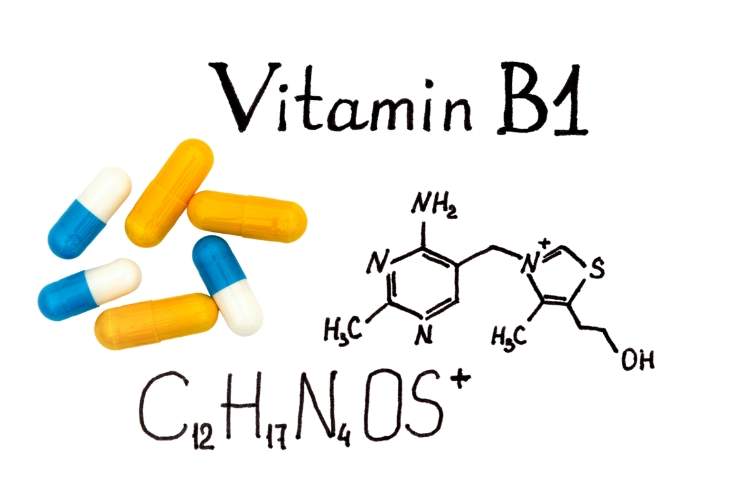
Vitamin B1 is naturally found in whole grains, beans, nuts, seeds, meat, fish, eggs, and fortified cereals. It is also included in many multivitamins and nutritional supplements because it supports daily wellness for both Men’s Health and Women’s Health.
Table of Contents
- What is Vitamin B1 (Thiamine)?
- How Does Vitamin B1 Work?
- How Does the Body Get Vitamin B1?
- Why Does the Body Need Vitamin B1?
- Benefits of Vitamin B1
- Signs of Vitamin B1 Deficiency
- What Happens if You Take Too Much Vitamin B1?
- Vitamin B1 Side Effects
- Best Food Sources of Vitamin B1
- How to Maintain Healthy Vitamin B1 Levels
- Supplements That Contain Vitamin B1
- Frequently Asked Questions
- Key Takeaways
What is Vitamin B1 (Thiamine)?
Vitamin B1, commonly called Thiamine, is an essential nutrient that helps the body convert carbohydrates into energy. Every cell in the body depends on energy to work properly, and Vitamin B1 plays an important role in this process.
It is especially important for the brain, nerves, muscles, and heart because these organs need a continuous supply of energy to function normally.
Unlike fat-soluble vitamins, Vitamin B1 cannot be stored in large amounts inside the body. This means people need to get enough Thiamine every day through healthy foods or nutritional supplements.
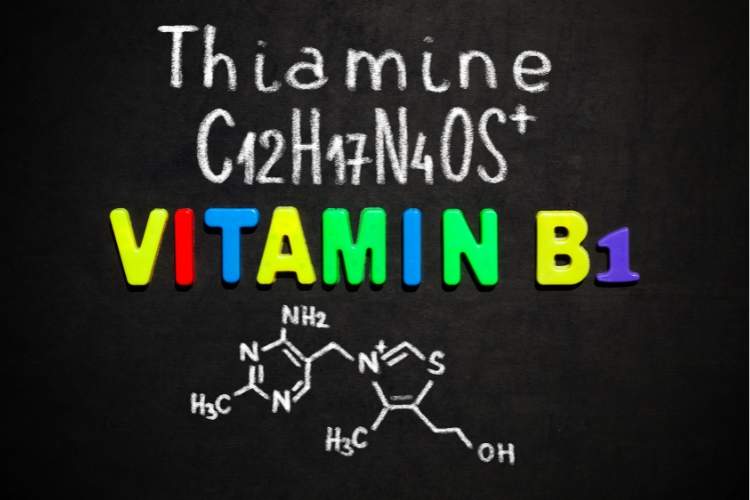
Vitamin B1 also supports normal nerve communication. It helps the brain send signals to different parts of the body so that muscles, organs, and other systems can work together properly.
Because of these important functions, Vitamin B1 is included in many complete Food Supplements that support daily nutrition and overall wellness.
How Does Vitamin B1 Work?
After you eat foods containing Vitamin B1, your digestive system absorbs it into the bloodstream. The vitamin then travels to different parts of the body where it helps convert carbohydrates into usable energy.
This process allows the body to use the food you eat more efficiently. Without enough Vitamin B1, the body cannot produce energy as effectively, which may lead to tiredness and weakness.
Vitamin B1 also supports healthy nerve cells. It helps nerves communicate with muscles and organs so the body can perform everyday activities without problems.
The heart also depends on Vitamin B1 because it needs a steady supply of energy to pump blood throughout the body.
How Does the Body Get Vitamin B1?
The human body cannot produce Vitamin B1 on its own. It must come from food or dietary supplements.
Foods such as whole grains, brown rice, beans, peas, lentils, sunflower seeds, pork, fish, eggs, and fortified breakfast cereals are good sources of Thiamine.
People who cannot meet their daily nutritional needs through food may choose multivitamins or other Food Supplements that contain Vitamin B1.
Since Vitamin B1 is water-soluble, eating healthy foods regularly is important because the body cannot store large amounts for future use.
Why Does the Body Need Vitamin B1?
Vitamin B1 supports many important functions that help the body stay healthy every day.
Its main role is helping the body convert carbohydrates into energy. This energy is then used by the brain, muscles, heart, and other organs.
Vitamin B1 also supports healthy nerve function, making it important for concentration, memory, and normal muscle movement.
For Men’s Health, Vitamin B1 helps support normal energy production and overall wellness. Some male fertility supplements, including Motility Boost Capsules, also contain Vitamin B1 as part of their nutritional formula to support reproductive health and daily nutrition.
For Women’s Health, Vitamin B1 contributes to normal metabolism and helps maintain healthy energy levels during everyday activities.
People living with Common Health Conditions, including Diabetes and High Blood Pressure, are often encouraged to maintain a balanced diet with enough vitamins and minerals. While Vitamin B1 is not a treatment for these conditions, getting enough Thiamine is an important part of overall nutritional health.
Benefits of Vitamin B1
Vitamin B1 provides several important health benefits when consumed in the recommended amount.
One of its biggest benefits is supporting normal energy production. It helps the body convert food into fuel that can be used throughout the day.
Vitamin B1 also supports a healthy nervous system. Healthy nerves help the brain and body communicate properly, allowing muscles and organs to work normally.
Another important benefit is supporting heart health. Since the heart works continuously, it needs a constant supply of energy, and Vitamin B1 helps support this natural process.
Thiamine also contributes to healthy brain function. It supports concentration, memory, and mental performance as part of a balanced diet.
Many complete Food Supplements include Vitamin B1 because it works together with other B vitamins to support daily wellness. Some specialized nutritional products, including Motility Boost Capsules, also include Vitamin B1 as part of a combination of nutrients that support male reproductive health and overall nutrition.
Like all vitamins, Vitamin B1 works best when taken in the recommended amount. A healthy diet, regular exercise, and balanced nutrition remain the best ways to maintain normal Vitamin B1 levels and support long-term health.
Signs of Vitamin B1 Deficiency
Vitamin B1 deficiency can develop when the body does not receive enough Thiamine over a long period. Since Vitamin B1 is not stored in large amounts, regular intake through food or supplements is important.
One of the first signs of Vitamin B1 deficiency is feeling tired even after getting enough rest. The body may not be able to convert food into energy properly, leading to weakness and low energy levels.
Some people may also experience poor appetite, weight loss, or difficulty concentrating. Others may notice numbness or tingling in the hands and feet because Vitamin B1 helps support healthy nerve function.
As the deficiency becomes more serious, muscle weakness and poor coordination may develop. In severe cases, long-term Vitamin B1 deficiency can affect the nervous system and the heart.
People with poor eating habits, digestive disorders, long-term alcohol use, or certain medical conditions may have a higher risk of Vitamin B1 deficiency.
What Happens if You Take Too Much Vitamin B1?
Vitamin B1 is a water-soluble vitamin, so the body usually removes extra amounts through urine.
Because of this, taking slightly more than the daily requirement is generally not considered harmful for most healthy adults.
However, taking very high doses without medical advice is not recommended. More vitamins do not always provide more benefits.
It is always better to follow the recommended dosage on the supplement label or the advice of a healthcare professional.
Balanced nutrition is more important than taking excessive amounts of any vitamin.
Vitamin B1 Side Effects
Vitamin B1 is considered safe for most people when taken in recommended amounts.
Side effects are uncommon, but some people may experience mild stomach discomfort after taking supplements.
Rarely, some individuals may develop an allergic reaction after using Vitamin B1 supplements. Symptoms may include itching, skin rash, swelling, or difficulty breathing. If this happens, stop using the supplement and seek medical attention immediately.
People who are taking medicines for Common Health Conditions such as Diabetes or High Blood Pressure should always inform their healthcare provider before starting any new Food Supplements.
Using the correct dosage is the best way to reduce the risk of unwanted Side Effects.
Best Food Sources of Vitamin B1
A balanced diet is the best way to maintain healthy Vitamin B1 levels.
Foods naturally rich in Vitamin B1 include:
- Whole grains
- Brown rice
- Oats
- Fortified breakfast cereals
- Pork
- Fish
- Eggs
- Beans
- Lentils
- Peas
- Sunflower seeds
- Nuts
Eating a variety of these foods regularly can help provide enough Thiamine as part of a healthy diet.
How to Maintain Healthy Vitamin B1 Levels
The best way to maintain healthy Vitamin B1 levels is to eat a balanced diet every day.
Choose whole grains instead of refined grains whenever possible, and include beans, nuts, seeds, lean meat, fish, and eggs in your meals.
People who cannot get enough nutrients from food may benefit from complete multivitamins or Food Supplements that contain Vitamin B1.
Regular exercise, proper sleep, and healthy eating habits also help support normal metabolism and overall wellness.
Avoid taking multiple supplements that contain the same vitamin unless recommended by a healthcare professional.
Supplements That Contain Vitamin B1
Many complete nutritional supplements include Vitamin B1 (Thiamine) because it supports energy production, nerve health, and overall wellness.
The following supplements contain Vitamin B1 as part of their nutritional formula.
| Product | Contains Vitamin B1 | Best For |
|---|---|---|
| Motility Boost Capsules | ✔ Yes | Male fertility and reproductive health support |
Vitamin B1 is included in many nutritional supplements because it helps the body convert food into energy and supports normal nerve function. Products such as Motility Boost Capsules combine Vitamin B1 with other vitamins, minerals, and nutrients to support male reproductive health and overall wellness.
Frequently Asked Questions
1. What is Vitamin B1 also called?
Vitamin B1 is commonly known as Thiamine.
2. What is the main benefit of Vitamin B1?
Its main benefit is helping the body convert food into energy while supporting healthy nerves, muscles, and the heart.
3. Which foods are rich in Vitamin B1?
Whole grains, beans, lentils, pork, fish, eggs, nuts, seeds, and fortified cereals are good sources of Vitamin B1.
4. Can Vitamin B1 be taken every day?
Yes. Vitamin B1 can be taken daily in the recommended amount through food or quality supplements.
5. Is Vitamin B1 safe?
Yes. Vitamin B1 is generally safe when taken according to the recommended dosage.
Key Takeaways
Vitamin B1, also known as Thiamine, is an essential vitamin that helps the body produce energy, supports healthy nerves, and contributes to normal heart and muscle function. Since the body cannot store large amounts of Vitamin B1, it is important to get enough from a balanced diet or quality Food Supplements every day.
Whole grains, beans, fish, eggs, and nuts are some of the best natural sources of Thiamine. Many complete multivitamins and nutritional supplements, including Motility Boost Capsules and several Vivioptal products, also contain Vitamin B1 to help support daily nutrition and overall wellness.
Maintaining healthy Vitamin B1 levels through proper nutrition and responsible supplement use is a simple way to support long-term health for both men and women.