What is Vitamin E (Tocopherol)?
What is Vitamin E (Tocopherol)? Benefits, Deficiency, Side Effects & Complete Guide
Vitamin E, also known as Tocopherol, is an important fat-soluble vitamin that helps protect the body’s cells from damage. Every day, our body is exposed to pollution, sunlight, stress, and other factors that may damage healthy cells. Vitamin E works as a powerful antioxidant that helps reduce this damage and supports overall health.
Unlike many other vitamins that mainly support one part of the body, Vitamin E helps protect different organs and tissues. It supports healthy skin, eyes, the immune system, and normal cell function. This is one reason why Vitamin E is included in many Food Supplements and multivitamin formulas around the world.
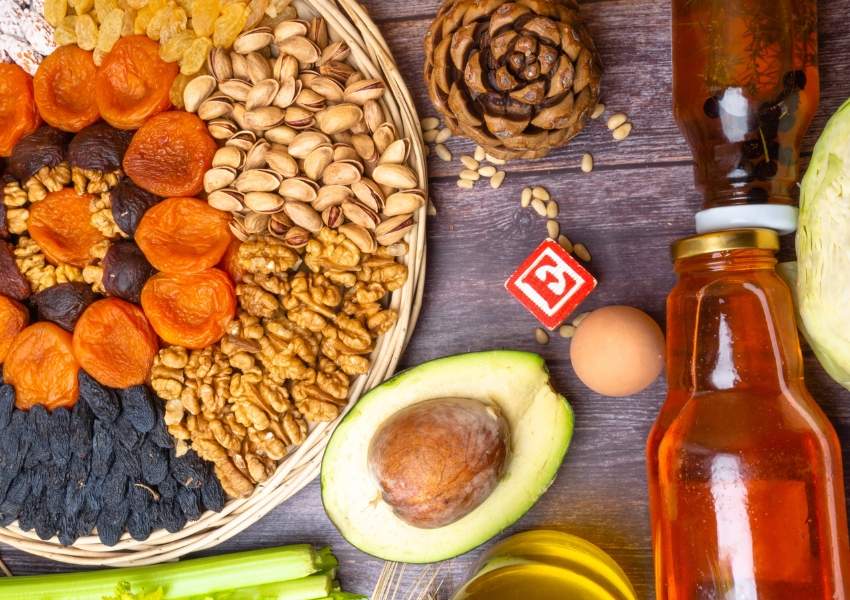
The human body cannot produce Vitamin E on its own. It must come from healthy foods or nutritional supplements. Foods such as almonds, sunflower seeds, spinach, avocados, peanuts, and vegetable oils naturally contain Vitamin E and can help meet the body’s daily needs.
Most people who eat a balanced diet get enough Vitamin E. However, some people with poor nutrition or certain digestive conditions may not absorb enough of this vitamin. In such cases, a healthcare professional may recommend supplements as part of a healthy diet.
Table of Contents
- What is Vitamin E (Tocopherol)?
- How Does Vitamin E Work?
- Why is Vitamin E Important?
- Health Benefits of Vitamin E
- Signs of Vitamin E Deficiency
- What Happens if You Take Too Much Vitamin E?
- Vitamin E Side Effects
- Best Food Sources of Vitamin E
- How to Maintain Healthy Vitamin E Levels
- Supplements That Contain Vitamin E
- Frequently Asked Questions
- Key Takeaways
What is Vitamin E (Tocopherol)?
Vitamin E is a group of natural compounds, and Alpha-Tocopherol is the form most commonly used by the human body. When people talk about Vitamin E, they are usually referring to Tocopherol.
Its main job is to protect healthy cells from oxidative stress. During normal body activities, unstable molecules called free radicals are produced. If these molecules increase too much, they may damage healthy cells. Vitamin E helps neutralize these free radicals and supports normal cell function.
Because it protects cells, Vitamin E is important for maintaining healthy skin, eyes, muscles, and the immune system. It also works together with other nutrients, including Vitamin C and Selenium, to support overall wellness.
How Does Vitamin E Work?
Vitamin E acts as one of the body’s natural antioxidants.
After being absorbed from food, it is stored in body tissues and becomes part of cell membranes. Whenever harmful free radicals are produced, Vitamin E helps protect these cells from damage.
This protective role is important because healthy cells are needed for normal growth, tissue repair, and everyday body functions.
Vitamin E also supports communication between cells and helps maintain healthy blood vessels and normal immune function.
Unlike water-soluble vitamins, Vitamin E is stored in body fat, so it does not need to be consumed in large amounts every day. However, regular intake through a balanced diet is still important.
Why is Vitamin E Important?
Every organ in the body depends on healthy cells to function properly. Since Vitamin E helps protect these cells, it contributes to overall health in many different ways.
It supports healthy skin by helping protect skin cells from everyday environmental stress. It also contributes to normal eye health and helps the immune system perform its natural role.
Vitamin E is also involved in maintaining healthy muscles and supporting normal tissue repair.
Many complete Food Supplements include Vitamin E because it works together with other vitamins and minerals instead of working alone.
Getting enough Vitamin E from food or supplements helps support normal body function as part of a healthy lifestyle.
Health Benefits of Vitamin E
Vitamin E offers several important health benefits when consumed in the recommended amount.
One of its best-known benefits is protecting body cells from oxidative damage. Healthy cells are important for maintaining normal body functions throughout life.
Vitamin E also supports healthy skin by helping maintain the natural protective barrier of the skin. This is one reason why Vitamin E is commonly found in skincare products as well as nutritional supplements.
Another benefit is supporting the immune system. Healthy immune cells need proper nutrition to perform their normal function, and Vitamin E contributes to this process.
Vitamin E also helps maintain healthy eyes by protecting delicate eye tissues from oxidative stress.
Some people choose Food Supplements that contain Vitamin E because they want additional nutritional support alongside a balanced diet.
Although Vitamin E plays an important role in overall wellness, it should not be considered a replacement for healthy eating or medical treatment. The best results come from combining balanced nutrition, regular physical activity, proper sleep, and healthy daily habits.
Signs of Vitamin E Deficiency
Vitamin E deficiency is not very common in healthy people because this vitamin is found in many everyday foods. However, some people may develop low Vitamin E levels if their body cannot absorb fat properly or if their diet lacks important nutrients for a long time.
One of the early signs of Vitamin E deficiency is muscle weakness. Some people may feel that their muscles become tired more quickly during normal daily activities.
Low Vitamin E levels may also affect the nervous system. In some cases, people may notice numbness, tingling, or poor balance because healthy nerves depend on proper nutrition.
The immune system may also become weaker when the body does not receive enough Vitamin E. This can make it more difficult for the body to respond to infections.
Vision problems may also develop over time in people with severe Vitamin E deficiency, although this is less common.
These symptoms can have many different causes. If they continue for a long time, proper medical advice should be taken instead of relying only on supplements.
What Happens if You Take Too Much Vitamin E?
Vitamin E is beneficial when taken in the recommended amount, but taking very high doses for a long time is not always safe.
Since Vitamin E is stored in body fat, excessive intake may slowly build up in the body.
Very high doses may increase the risk of unwanted health problems, especially in people who already use blood-thinning medicines or have certain medical conditions.
This is why healthcare professionals usually recommend following the dosage mentioned on the supplement label instead of taking extra capsules without advice.
A balanced diet and responsible supplement use are always better than taking large amounts of any vitamin.
Vitamin E Side Effects
Vitamin E is generally well tolerated when consumed in normal amounts from food or quality supplements.
However, taking excessive amounts may cause some side effects in certain people.
Possible side effects may include:
- Headache
- Nausea
- Stomach discomfort
- Diarrhea
- Feeling tired
- Blurred vision in rare cases
People who use blood-thinning medicines or have ongoing medical treatment should speak with their healthcare provider before using high-dose Vitamin E supplements.
Using the correct dosage helps reduce the chance of unwanted side effects.
Best Food Sources of Vitamin E
Eating a balanced diet is the easiest way to maintain healthy Vitamin E levels.
Some of the best natural food sources include:
- Almonds
- Sunflower seeds
- Peanuts
- Hazelnuts
- Spinach
- Broccoli
- Avocados
- Wheat germ oil
- Sunflower oil
- Soybean oil
- Kiwi
- Mango
Including a variety of these foods in your daily meals can help support normal Vitamin E intake naturally.
How to Maintain Healthy Vitamin E Levels
Maintaining healthy Vitamin E levels is usually simple when you eat a balanced diet.
Choose meals that include nuts, seeds, green vegetables, and healthy plant oils. These foods naturally provide Vitamin E along with many other important nutrients.
Avoid depending on supplements unless your daily diet is not enough or a healthcare professional recommends them.
Regular exercise, enough sleep, proper hydration, and healthy eating habits all work together to support overall wellness.
Remember that vitamins work best when they are part of a healthy lifestyle, not as a replacement for one.
Supplements That Contain Vitamin E
Vitamin E is included in many multivitamins and nutritional supplements because it supports normal cell function and overall health.
Supplements That Contain Vitamin E
Vitamin E is included in many nutritional supplements and personal care products because it helps protect cells from oxidative stress and supports healthy skin. Some products contain Vitamin E as part of a complete multivitamin formula, while others include it in topical creams and sprays.
The following products contain Vitamin E as part of their ingredients.
| Product | Contains Vitamin E | Purpose |
|---|---|---|
| Vivioptal Lux 60 Capsules | ✔ Yes | Daily nutritional support |
| Procomil Spray | ✔ Yes | Delay spray for sexual timing |
| Largo Spray | ✔ Yes | Delay spray for men |
| Deadly Shark 25000 Delay Spray | ✔ Yes | Delay spray for men |
| Vivioptal Capsules | ✔ Yes | Multivitamin and nutritional support |
| Stud 5000 Spray | ✔ Yes | Delay spray for sexual timing |
| Eros Delay Spray | ✔ Yes | Delay spray for men |
| Viga 50000 Delay Spray | ✔ Yes | Delay spray for sexual timing |
| Super Dooz Spray 780000 | ✔ Yes | Delay spray for men |
| Bio Beauty Breast Tightening Cream | ✔ Yes | Breast care cream |
| Breast Reduction Cream | ✔ Yes | Breast care cream |
| Tree Doctor Breast Enhancement Cream | ✔ Yes | Breast care cream |
| Maxman Delay Spray | ✔ Yes | Delay spray for men |
| Vivioptal Active Softgel | ✔ Yes | Daily nutritional support |
| Vivioptal Multi Softgel | ✔ Yes | Complete multivitamin support |
| Vivioptal Zuckont Capsules | ✔ Yes | Daily nutritional support |
| NOW Foods Zinc Picolinate 50mg | ✔ Yes | Zinc supplement for immune, skin, and cellular support |
Vitamin E is available in different types of products, including multivitamins, nutritional supplements, topical creams, and delay sprays. Depending on the product, Vitamin E may help support overall nutrition or contribute to skin care as part of a complete formulation. Always read the product label and use the product according to the recommended directions.
Always check the product label to see which vitamins are included in the formula. Different supplements contain different combinations of nutrients, so it is important to choose one that matches your nutritional needs.
Frequently Asked Questions
1. What is Vitamin E also called?
Vitamin E is commonly known as Tocopherol. Alpha-Tocopherol is the form that the human body uses most efficiently.
2. What does Vitamin E do in the body?
Vitamin E helps protect healthy cells from oxidative stress and supports normal skin, eye, and immune function.
3. Which foods contain the most Vitamin E?
Almonds, sunflower seeds, spinach, avocados, peanuts, and vegetable oils are among the best natural sources.
4. Can I take Vitamin E every day?
Most people can get enough Vitamin E through a balanced diet. Supplements should be used according to the recommended dosage or healthcare advice.
5. Is too much Vitamin E harmful?
Taking very high doses for a long period may increase the risk of side effects. It is always better to follow the recommended daily amount.
Key Takeaways
Vitamin E, also known as Tocopherol, is an essential antioxidant that helps protect healthy cells from everyday damage. It supports the normal function of the skin, eyes, immune system, and many other parts of the body, making it an important nutrient for overall health.
Most people can maintain healthy Vitamin E levels by eating a balanced diet that includes nuts, seeds, green vegetables, and healthy oils. When additional nutritional support is needed, Vitamin E supplements may be helpful if used responsibly and according to the recommended dosage.
Choosing healthy eating habits and maintaining a balanced lifestyle remain the best ways to support long-term wellness and normal Vitamin E levels.