What is Vitamin C (Ascorbic Acid)?
What is Vitamin C (Ascorbic Acid)? Benefits, Deficiency, Side Effects & Food Sources
Vitamin C, also known as Ascorbic Acid, is one of the most important water-soluble vitamins that the human body needs every day. It helps support the immune system, keeps the skin healthy, helps wounds heal, and allows the body to absorb iron from food.
Unlike some vitamins, Vitamin C cannot be stored in large amounts inside the body. Any extra amount is usually removed through urine. Because of this, it is important to get Vitamin C regularly from fruits, vegetables, or supplements when needed.
Many people know Vitamin C as the immunity vitamin because it helps the body’s natural defense system work properly. However, its benefits go far beyond immunity. It also helps produce collagen, a protein that keeps the skin, bones, blood vessels, gums, and joints healthy.
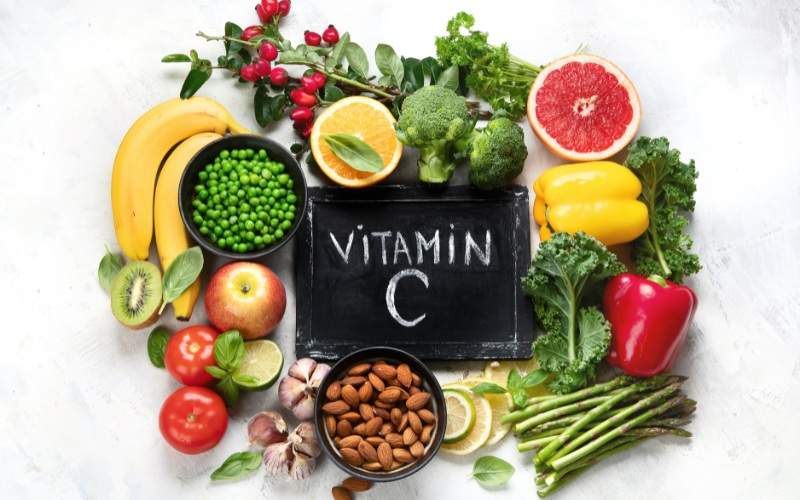
Vitamin C is naturally found in oranges, lemons, strawberries, guavas, kiwis, bell peppers, tomatoes, broccoli, and many other fresh fruits and vegetables. Most healthy people can meet their daily needs through a balanced diet.
This complete guide explains what Vitamin C is, how it works, its health benefits, deficiency symptoms, possible side effects, natural food sources, and how to maintain healthy Vitamin C levels.
Table of Contents
- What is Vitamin C (Ascorbic Acid)?
- How Does Vitamin C Work?
- Why is Vitamin C Important?
- Health Benefits of Vitamin C
- Signs of Vitamin C Deficiency
- What Happens if You Take Too Much Vitamin C?
- Vitamin C Side Effects
- Best Food Sources of Vitamin C
- How to Maintain Healthy Vitamin C Levels
- Supplements That Contain Vitamin C
- Frequently Asked Questions
- What We Learned
What is Vitamin C (Ascorbic Acid)?
Vitamin C is an essential nutrient that helps many important parts of the body function normally. Since the human body cannot produce Vitamin C on its own, it must be obtained from food or nutritional supplements.
One of the main jobs of Vitamin C is helping the body produce collagen. Collagen is a natural protein that provides strength and structure to the skin, bones, cartilage, blood vessels, teeth, and gums.
Vitamin C also acts as a powerful antioxidant. It helps protect healthy cells from damage caused by unstable molecules known as free radicals, which are naturally produced during normal body processes.
Because it supports several important functions, Vitamin C is considered one of the key nutrients for maintaining overall health.
How Does Vitamin C Work?
Every day, the body performs thousands of chemical reactions that require different vitamins and minerals. Vitamin C supports many of these natural processes.
It helps produce collagen, supports wound healing, improves the absorption of iron from plant-based foods, and helps immune cells perform their normal function.
Vitamin C also works as an antioxidant by helping reduce oxidative stress inside the body. This protective role supports healthy cells and contributes to normal body function.
Since Vitamin C is not stored for long periods, regular intake through healthy foods is important for maintaining normal levels.
Why is Vitamin C Important?
Vitamin C supports many parts of the body at the same time.
It helps maintain healthy skin by supporting collagen production. It also contributes to healthy gums, blood vessels, bones, and connective tissues.
Another important role is supporting the immune system. Healthy immune cells need Vitamin C to perform their normal function during the body’s natural defense processes.
Vitamin C also improves the absorption of iron from foods such as beans, spinach, and other plant-based sources. This makes it an important nutrient for people who rely mainly on vegetarian food.
Because Vitamin C supports several body systems together, it is considered one of the most valuable vitamins for everyday nutrition.
Health Benefits of Vitamin C
Vitamin C provides many health benefits when consumed in the recommended amount.
It helps support the body’s natural immune system and contributes to normal healing after cuts and minor injuries.
Vitamin C also supports healthy skin by helping produce collagen, an important protein that gives strength and flexibility to body tissues.
Another important benefit is improving iron absorption from food, which helps the body make healthy red blood cells.
As an antioxidant, Vitamin C helps protect healthy cells from oxidative stress caused by normal daily activities and environmental factors.
Getting enough Vitamin C through a balanced diet can help support overall health as part of a healthy lifestyle.
Signs of Vitamin C Deficiency
Vitamin C deficiency develops when the body does not receive enough Vitamin C for a long time. Since the body cannot store large amounts of this vitamin, eating Vitamin C-rich foods regularly is important.
In the early stages, the symptoms may be mild and easy to ignore. If the deficiency continues, the signs may become more noticeable.
Common signs of Vitamin C deficiency may include:
- Feeling tired or lacking energy
- Weakness
- Slow wound healing
- Bleeding or swollen gums
- Dry or rough skin
- Frequent infections
- Joint discomfort
- Easy bruising
A severe and long-term Vitamin C deficiency may lead to a condition called Scurvy. Although it is uncommon today, scurvy can cause serious health problems if left untreated.
If you notice these symptoms for a long period, it is best to speak with a healthcare professional instead of starting supplements without proper advice.
What Happens if You Take Too Much Vitamin C?
Vitamin C is a water-soluble vitamin, so extra amounts usually leave the body through urine. Because of this, the risk of storing excessive Vitamin C is lower than with fat-soluble vitamins.
However, taking very large doses every day is not always beneficial.
High-dose Vitamin C supplements may cause digestive discomfort in some people. Individuals who have a history of kidney stones should also speak with a healthcare professional before taking large amounts of Vitamin C.
Using the recommended daily amount is usually enough to support normal body functions without increasing the risk of unnecessary side effects.
Side Effects of Vitamin C
Vitamin C is considered safe for most healthy adults when consumed in recommended amounts.
However, taking excessive doses may cause some unwanted effects.
Possible side effects may include:
- Stomach pain
- Diarrhea
- Nausea
- Heartburn
- Bloating
- Increased risk of kidney stones in susceptible individuals
These side effects usually occur after taking large amounts rather than the recommended daily dose.
If you experience severe symptoms or ongoing discomfort after using Vitamin C supplements, stop taking them and seek medical advice.
Best Food Sources of Vitamin C
The best way to maintain healthy Vitamin C levels is by eating a variety of fresh fruits and vegetables.
Foods naturally rich in Vitamin C include:
- Oranges
- Lemons
- Guavas
- Kiwis
- Strawberries
- Papaya
- Mangoes
- Bell peppers
- Broccoli
- Tomatoes
- Cabbage
- Spinach
Eating these foods regularly can help provide enough Vitamin C as part of a healthy and balanced diet.
How to Maintain Healthy Vitamin C Levels
Maintaining healthy Vitamin C levels is simple for most people.
Include fresh fruits and vegetables in your daily meals because they are the richest natural sources of Vitamin C.
Avoid overcooking vegetables whenever possible, as heat can reduce the amount of Vitamin C they contain.
Drink enough water, eat a balanced diet, stay physically active, and get enough sleep to support your overall health.
If your healthcare professional recommends a Vitamin C supplement, always follow the suggested dosage instead of taking larger amounts on your own.
Supplements That Contain Vitamin C
Vitamin C is included in many nutritional supplements because it supports the immune system, collagen production, and overall health. Some supplements contain Vitamin C alone, while others combine it with vitamins, minerals, and antioxidants for complete nutritional support.
The amount of Vitamin C may vary between products, so it is always a good idea to check the supplement facts label before use.
| Product | Contains Vitamin C | Purpose |
|---|---|---|
| Vivioptal Capsules | ✔ Yes | Daily nutritional support |
| Vivioptal Multi Softgel | ✔ Yes | Complete multivitamin and mineral support |
| Vivioptal Protect For Men | ✔ Yes | Men’s nutritional support |
| Vivioptal Active Softgel | ✔ Yes | Daily energy and nutritional support |
| Vivioptal Lux 60 Capsules | ✔ Yes | Complete daily nutrition |
| Vivioptal Women Softgel | ✔ Yes | Women’s nutritional support |
| Vivioptal Zuckont Capsules | ✔ Yes | Daily multivitamin support |
| Centrum Silver | ✔ Yes | Multivitamin for adults |
| Nutricost Calcium Magnesium Zinc Tablets | ✔ Yes | Bone health and daily nutritional support |
| NOW Foods Zinc Picolinate 50mg | ✔ Yes | Zinc supplement for immune, skin, and cellular support |
Vitamin C supplements should be used according to the recommended dosage. If you have kidney disease, a history of kidney stones, or take prescription medicines, speak with a healthcare professional before using high-dose Vitamin C supplements.
Frequently Asked Questions
1. What is Vitamin C also called?
Vitamin C is also known as Ascorbic Acid. It is a water-soluble vitamin that supports many important functions in the body.
2. What does Vitamin C do in the body?
Vitamin C helps support the immune system, collagen production, wound healing, iron absorption, and protects healthy cells from oxidative stress.
3. Which foods are rich in Vitamin C?
Oranges, lemons, guavas, kiwis, strawberries, bell peppers, broccoli, tomatoes, cabbage, and spinach are among the best natural sources of Vitamin C.
4. Can I take Vitamin C every day?
Yes. Most people can safely consume Vitamin C every day through a balanced diet. Supplements should be taken according to the recommended dosage or healthcare advice.
5. Can too much Vitamin C be harmful?
Very high doses may cause stomach discomfort, diarrhea, or increase the risk of kidney stones in people who are already prone to them. Following the recommended dosage helps reduce these risks.
What We Learned
Vitamin C (Ascorbic Acid) is one of the most important nutrients for maintaining overall health. It supports the immune system, helps produce collagen, improves iron absorption, and protects healthy cells from oxidative stress.
Most people can meet their daily Vitamin C needs by eating a variety of fresh fruits and vegetables. When dietary intake is not enough, supplements may help provide additional nutritional support if they are used responsibly.
A healthy diet, regular physical activity, proper sleep, and following the recommended dosage remain the best ways to maintain healthy Vitamin C levels and support long-term well-being.