NOW Foods Joint Health Supplements in Pakistan
NOW Foods Joint Health Supplements in Pakistan – Support for Knees, Joints and Comfortable Movement
For many people in Pakistan, joint pain becomes a serious problem as they grow older. Some people feel pain in their knees while walking. Others find it difficult to climb stairs, sit on the floor, or stand up after sitting for a long time.
For elderly men and women, even simple daily activities can become difficult. Some people hear clicking or cracking sounds from their knees. Others feel stiffness in the morning or experience pain when bending their legs.
One of the most difficult situations is when knee pain affects daily prayers. A person may want to perform Namaz while standing, bowing and sitting normally, but painful knees can make these movements uncomfortable. Some elderly people may need a chair because they cannot bend their knees easily.
These problems can affect confidence, independence and daily life. However, joint pain is not limited to older adults. People who are overweight, physically inactive, recovering from an injury, or regularly performing heavy physical work may also experience joint discomfort.
Many people look for food supplements that contain Glucosamine, MSM, Collagen, Turmeric, Boswellia and Hyaluronic Acid. These ingredients are commonly found in products marketed for joint structure, mobility and connective tissue nutrition.
In this article, we will discuss NOW Foods Joint Health Supplements in Pakistan, the common causes of knee pain and joint stiffness, important joint-support ingredients, and the difference between various supplement formulas.
We will also compare 14 NOW Foods products listed at RxHub Pakistan, helping readers understand which products are directly intended for joint support and which provide broader connective tissue nutrition.
Food supplements may have a supporting role for some adults, but they cannot replace proper diagnosis, suitable exercise, weight management or medical treatment when needed.
Table of Contents
- What Is Joint Health?
- Why Do Joints Become Weak With Age?
- Why Do Knees Make Cracking Sounds?
- Knee Pain While Sitting, Standing and Offering Namaz
- Common Causes of Joint Pain
- Important Ingredients for Joint Health
- Benefits and Limitations of Joint Health Supplements
- 14 NOW Foods Joint Health Supplements in Pakistan
- How to Choose a Joint Health Supplement
- Joint Health for Elderly and Physically Weak Adults
- Best Foods for Healthy Joints
- Daily Habits and Exercises for Joint Comfort
- Side Effects and Precautions
- When Should You See a Doctor?
- Frequently Asked Questions
- Closing Notes on Joint Health
What Is Joint Health and Why Is It Important?
Joints are the places where two or more bones meet. They allow us to bend, stretch, walk, sit, stand and move different parts of the body.
The knees, hips, shoulders, elbows, wrists and fingers are examples of joints that we use every day.
A healthy joint contains several important structures:
- Cartilage: A smooth tissue that helps reduce friction between bones.
- Synovial Fluid: A fluid that helps lubricate certain joints.
- Ligaments: Strong tissues that connect bones and help stabilize joints.
- Tendons: Tissues that connect muscles to bones.
- Muscles: Help support and move the joints.
- Bones: Provide the main structure of the body.
When these structures work together properly, we can perform daily movements more comfortably.
However, joint pain or stiffness can develop when cartilage changes, tissues become irritated, muscles become weak or an injury affects the joint.
Why Do Joints Become Weak With Age?
As we grow older, our joints and muscles naturally change. Cartilage may become thinner, muscles may lose strength, and recovery after physical activity can take longer.

These changes do not affect everyone equally. Some people remain active in their seventies, while others develop joint problems much earlier.
Changes in Joint Cartilage
Cartilage helps bones move smoothly against each other. In osteoarthritis, cartilage and other joint tissues gradually change, which can lead to pain, stiffness and difficulty moving.
Loss of Muscle Strength
Strong muscles help support the knees and hips. When leg muscles become weak, everyday movements may feel more difficult.
Reduced Physical Activity
Some elderly people stop walking because they fear pain. However, too little movement can further reduce muscle strength and joint flexibility.
Excess Body Weight
Carrying extra body weight increases the load on weight-bearing joints, especially the knees and hips.
Previous Injuries
An old knee injury, ligament problem or fracture may increase the risk of joint difficulties later in life.
We should not assume that every older person has arthritis. Proper assessment helps identify the actual cause of pain.
Why Do Knees Make Cracking or Clicking Sounds?
Many people in Pakistan complain that their knees make a sound when they stand up, bend their legs or climb stairs.
This sound is often called crepitus. It may sound like clicking, cracking, grinding or popping.
Sometimes these sounds occur because of normal movement of tissues or gas bubbles within a joint. In other cases, they may be associated with cartilage changes or other joint problems.
Is Knee Cracking Always Dangerous?
No. Knee cracking without pain, swelling or movement problems is often harmless.
However, if the sound is accompanied by pain, swelling, locking, instability or difficulty walking, a medical assessment is important.
Can Joint Supplements Stop Knee Sounds?
There is no reliable evidence that a supplement can consistently stop knee cracking sounds.
The correct approach depends on whether the sound is harmless or linked to an underlying joint condition.
Knee Pain While Sitting, Standing and Offering Namaz

For many elderly Muslims in Pakistan, knee pain becomes especially noticeable during Namaz.
A person may be able to walk slowly but still struggle when bending the knees for Ruku or moving down to and up from Sajdah.
Some people experience pain when sitting on the floor, while others find it difficult to stand again without holding onto something.
This can be emotionally upsetting, especially for people who have offered their prayers in the same way for many years.
Why Does Knee Pain Increase During Bending?
Deep knee bending places different loads on the knee joint and surrounding tissues. If someone has osteoarthritis, an injury or muscle weakness, these movements may become painful.
What Can Help?
Appropriate physiotherapy, strengthening exercises, medical treatment and weight management may help improve movement and comfort, depending on the cause.
If a person cannot comfortably perform movements on the floor, they can discuss suitable prayer accommodations with a knowledgeable religious adviser. They should not force painful movements or risk falling.
Supplements may be considered for nutritional support, but they are not a guaranteed solution for difficulty performing Namaz.
Common Causes of Knee Pain and Joint Stiffness
Joint pain can have many causes. Knowing the cause helps determine the right treatment.
| Common Cause | How It May Affect Joints |
|---|---|
| Osteoarthritis | Can cause knee pain, stiffness and difficulty moving. |
| Muscle Weakness | May make standing, walking and climbing stairs harder. |
| Previous Injury | May affect ligaments, cartilage or other joint tissues. |
| Inflammatory Arthritis | Can cause joint swelling, pain and prolonged stiffness. |
| Gout | May cause sudden episodes of severe joint pain and swelling. |
| Excess Body Weight | Adds stress to knees and hips. |
| Low Physical Activity | Can contribute to muscle weakness and reduced mobility. |
Not all joint pain is caused by a vitamin deficiency. Some conditions require medical treatment rather than nutritional supplements alone.
Important Ingredients in Joint Health Supplements
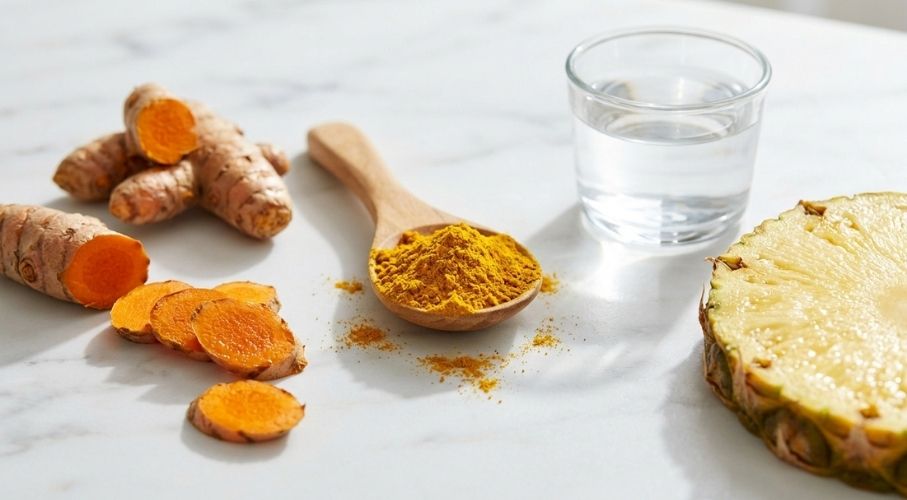
NOW Foods uses several ingredients in its joint-support range. Each has a different role, and the scientific evidence varies.
Glucosamine
Glucosamine is naturally present in the body and is involved in the formation of compounds found in cartilage.
It is commonly used in supplements for knee and joint support. However, clinical studies on Glucosamine for osteoarthritis have produced mixed results, and several medical guidelines do not routinely recommend it.
MSM (Methylsulfonylmethane)
MSM is a sulfur-containing compound included in many joint-support products.
Sulfur is involved in normal body chemistry and connective tissue structures. However, research has not established that MSM can repair damaged cartilage or reliably treat arthritis.
Chondroitin
Chondroitin is a natural component of cartilage. It helps cartilage retain water and resist compression.
Some supplements combine Chondroitin with Glucosamine and MSM. Research on its effectiveness for osteoarthritis remains inconsistent.
Turmeric and Curcumin
Turmeric is a plant commonly used in Pakistani cooking. Curcumin is one of its important natural compounds.
Some clinical studies suggest that certain Curcumin preparations may help with knee osteoarthritis symptoms, but stronger evidence is still needed.
Different Curcumin products may have different absorption and safety profiles.
Boswellia
Boswellia is a botanical extract obtained from the resin of Boswellia trees.
It is commonly included in joint formulas and has been studied for its potential role in joint comfort. However, the evidence is not strong enough to treat it as a proven replacement for arthritis medicine.
Bromelain
Bromelain is a group of enzymes obtained from pineapple.
It is sometimes combined with Turmeric or other joint-support ingredients. Its benefits for joint symptoms remain uncertain.
Collagen
Collagen is a structural protein found in connective tissues, including cartilage, tendons, ligaments and skin.
Collagen supplements provide protein fragments or amino acids. Certain formulations have been studied for joint symptoms, but results do not prove that eating Collagen directly rebuilds worn-out knee cartilage.
Hyaluronic Acid
Hyaluronic Acid is naturally found in the body, including in joint fluid and connective tissues.
It contributes to lubrication and the physical properties of joint fluid. Oral Hyaluronic Acid supplements are marketed for joint support, but evidence for meaningful clinical benefits is limited.
Benefits and Limitations of Joint Health Supplements
Joint health supplements are commonly used by adults who want to support joint nutrition, connective tissue and normal movement.
Depending on the formula, they may provide nutrients or plant compounds involved in normal joint structure and function.
However, we should understand their limitations.
- They do not guarantee relief from knee pain.
- They cannot be relied upon to rebuild severely damaged cartilage.
- They are not cures for osteoarthritis, rheumatoid arthritis or gout.
- They cannot replace physiotherapy or appropriate medical treatment.
- Some products may interact with medicines or cause side effects.
For people with osteoarthritis, regular suitable exercise and weight management have stronger evidence for improving symptoms than most joint supplements.
14 NOW Foods Joint Health Supplements in Pakistan
RxHub Pakistan lists several NOW Foods products containing ingredients commonly associated with joint health and connective tissue support.
We have included all 14 products you can explore through their individual pages. Some are dedicated joint-support formulas, while others provide general Collagen or botanical nutrition that may be relevant to joint health.
| Product Name | About Short |
|---|---|
| NOW Joint Support – 90 Capsules | A multi-ingredient joint formula with Glucosamine, Boswellia, Bromelain, vitamins and minerals for normal joint tissue support. |
| NOW Vegetarian Glucosamine & MSM – 120 Capsules | Combines vegetarian Glucosamine and MSM for adults interested in joint structure and mobility support without shellfish-derived Glucosamine. |
| NOW Glucosamine & MSM – 60 Capsules | A joint formula containing Glucosamine, MSM and Chondroitin for cartilage-related nutritional support; check the label for shellfish allergens. |
| NOW Glucosamine 1000mg – 60 Capsules | Provides Glucosamine, a compound involved in normal cartilage structure. Commonly used in joint supplements, although clinical benefits are uncertain. |
| NOW MSM 1500mg – 200 Tablets | A higher-strength MSM supplement supplying a sulfur-containing compound used in connective tissue nutrition formulas. |
| NOW MSM 1000mg – 120 Capsules | Provides MSM in capsule form for adults interested in connective tissue and joint-support nutrition. |
| NOW Turmeric & Bromelain – 90 Capsules | Combines Turmeric extract with Bromelain from pineapple; marketed by NOW Foods for healthy joint tissue support. |
| NOW Turmeric Curcumin Phytosome with Meriva – 60 Capsules | A Curcumin phytosome formula developed for improved absorption; relevant to research on joint comfort, with important safety precautions. |
| NOW Turmeric Curcumin – 60 Capsules | Provides concentrated Turmeric-derived Curcumin compounds studied for their effects on joint symptoms and normal inflammatory responses. |
| NOW Boswellia Extract 500mg – 90 Softgels | A botanical supplement containing Boswellia extract, an ingredient commonly studied for joint comfort and mobility. |
| NOW Collagen Peptides Powder – 227g | Provides hydrolyzed Collagen peptides for general connective tissue and protein nutrition, including tissues associated with joints. |
| NOW Multi Collagen Protein Powder – 454g | An unflavored multi-type Collagen powder for broader connective tissue, skin and protein nutrition rather than targeted arthritis treatment. |
| NOW BioCell Collagen Hydrolyzed Type II Capsules | Contains hydrolyzed Type II Collagen with Chondroitin and Hyaluronic Acid; specifically marketed for joint mobility, comfort and skin support. |
| NOW Hyaluronic Acid 50mg – 60 Capsules | Provides Hyaluronic Acid with MSM. Hyaluronic Acid is naturally found in joint fluid and connective tissues. |
Important: All 14 products have a reasonable connection to joint or connective tissue nutrition, but they do not have the same purpose or strength of clinical evidence. The Collagen powders are broader nutritional products, while Glucosamine, MSM and Joint Support formulas are more directly marketed for joint health.
How to Choose a Joint Health Supplement
When choosing a joint supplement, we should first understand the person’s main concern.
For Adults Interested in Glucosamine Formulas
NOW Glucosamine 1000mg and the Glucosamine & MSM products provide ingredients commonly used in cartilage-related nutritional formulas.
The vegetarian version may be relevant for people who want to avoid shellfish-derived Glucosamine. Other versions may contain shellfish ingredients.
For Adults Interested in MSM
NOW MSM 1000mg and MSM 1500mg provide the same main compound in different strengths and forms.
A higher number on the label does not automatically mean better results.
For Botanical Joint Support
NOW Turmeric & Bromelain, Curcumin formulas and Boswellia Extract contain plant-based ingredients commonly discussed in joint-health research.
These products have different formulations and may carry important medicine-interaction precautions.
For Collagen and Connective Tissue Nutrition
NOW Collagen Peptides and Multi Collagen Protein provide broader protein-based nutrition.
NOW BioCell Collagen is more specifically positioned for joint and skin support because it contains Type II Collagen, Chondroitin and Hyaluronic Acid.
For Hyaluronic Acid
NOW Hyaluronic Acid 50mg contains a compound naturally present in joint fluid, together with MSM.
However, oral Hyaluronic Acid should not be confused with medical injections into the joint.
People with diagnosed arthritis, persistent pain or multiple health conditions should discuss supplement choices with their doctor.
Joint Health for Elderly and Physically Weak Adults
Older adults often need more than a joint supplement. Their ability to walk, stand and sit comfortably also depends on muscle strength, balance, nutrition and overall health.
For example, an elderly person may complain that their knees feel weak when getting up from a chair. The problem may involve both knee pain and reduced thigh muscle strength.
Another person may have no serious pain but feel unsteady while walking. In that situation, balance training and assessment of fall risk may be more important than taking a joint supplement.
Simple Ways to Support Elderly Family Members
- Encourage safe daily movement within their abilities.
- Provide a stable chair with armrests if standing is difficult.
- Keep walking areas clear to reduce fall risk.
- Make sure meals provide adequate protein and other nutrients.
- Arrange a medical assessment for persistent knee pain or weakness.
- Ask a physiotherapist about suitable leg-strengthening exercises.
- Avoid forcing painful movements or deep knee bending.
Family support can make a major difference in helping elderly people remain active and independent.
Best Foods for Healthy Joints in Pakistan
Food supplements should not replace balanced meals. Everyday Pakistani foods can provide protein, vitamins, minerals and healthy fats needed for normal body functions.
| Food | Nutritional Importance |
|---|---|
| Eggs, Chicken and Fish | Provide protein for muscle maintenance and repair. |
| Milk and Yogurt | Provide protein and calcium for normal bone health. |
| Daal and Beans | Provide plant protein and minerals. |
| Guava, Oranges and Lemon | Provide Vitamin C, which is needed for normal Collagen formation. |
| Vegetables and Leafy Greens | Provide vitamins, minerals and dietary fiber. |
| Nuts and Seeds | Provide healthy fats and other nutrients. |
Vitamin D is also important for normal bone and muscle function. People with suspected deficiency should seek appropriate testing and medical advice rather than taking high doses without guidance.
Daily Habits and Exercises for Joint Comfort
Suitable physical activity is one of the most useful approaches for many people with knee osteoarthritis.
However, exercise should match the person’s age, symptoms, strength and medical condition.

1. Gentle Walking
Walking on a safe, level surface can help maintain activity. Start with a comfortable duration and increase gradually if tolerated.
2. Thigh Muscle Strengthening
The quadriceps muscles at the front of the thighs help support the knees. A physiotherapist can recommend appropriate exercises.

3. Gentle Range-of-Motion Exercises
Controlled knee bending and straightening may help maintain mobility when performed comfortably and safely.

4. Weight Management
For adults who are overweight, gradual weight loss can reduce stress on the knees and may improve osteoarthritis symptoms.
5. Avoid Long Periods of Inactivity
Remaining in one position for many hours may increase stiffness. Gentle movement breaks may help.

6. Use Support When Necessary
A suitable walking aid, stable footwear or home safety changes may help people who are unsteady or at risk of falling.
Stop an activity if it causes severe pain, sudden swelling or instability. Seek professional guidance when symptoms are significant.
Side Effects and Precautions of Joint Health Supplements
Joint supplements can cause side effects or interact with medicines. The risks depend on the ingredients and individual health conditions.
Glucosamine and Chondroitin
Some products contain shellfish-derived Glucosamine. People with shellfish allergies should check labels carefully. Glucosamine and Chondroitin may also interact with Warfarin and increase bleeding risk.
MSM
MSM may cause digestive discomfort, headache or other mild reactions in some people. Long-term safety information is limited.
Turmeric and Curcumin
Curcumin supplements may cause digestive symptoms. Certain concentrated or enhanced-absorption formulas have been linked to liver injury in rare cases.
People taking blood-thinning medicines or managing liver problems should seek medical advice before use.
Boswellia and Bromelain
These ingredients may cause digestive reactions and can have medicine-interaction concerns. Bromelain products require particular care for people taking anticoagulant medicines or preparing for surgery.
Collagen
Collagen products may come from bovine, marine or chicken sources. Check the label for allergies and dietary suitability.
Hyaluronic Acid
Oral Hyaluronic Acid supplements may not suit everyone, particularly when combined with other ingredients or medicines.
Pregnant or breastfeeding women, people taking prescription medicines and adults with significant medical conditions should consult a qualified healthcare professional before starting supplements.
When Should You See a Doctor for Joint Pain?
Not every joint sound or mild ache requires urgent treatment, but certain symptoms should not be ignored.
Arrange a medical assessment if you experience:
- Knee pain that continues or keeps returning.
- Difficulty walking, standing or climbing stairs.
- Swelling or repeated joint stiffness.
- Difficulty bending the knees during daily activities or Namaz.
- A knee that locks or gives way.
- Joint pain affecting sleep or independence.
Seek urgent medical care for a hot, red, very swollen joint, especially with fever; sudden severe pain; an inability to bear weight after an injury; or a visibly deformed joint.
These symptoms may indicate conditions that need prompt treatment.
Frequently Asked Questions About NOW Foods Joint Health Supplements
1. What are NOW Foods Joint Health Supplements?
They are nutritional products containing ingredients such as Glucosamine, MSM, Collagen, Turmeric, Boswellia and Hyaluronic Acid that are commonly associated with joint and connective tissue support.
2. Which NOW Foods supplement is specifically made for joint support?
NOW Joint Support is a dedicated combination formula containing Glucosamine, Boswellia, Bromelain, vitamins and minerals.
3. Can joint supplements stop knee cracking sounds?
No supplement has been proven to consistently stop knee cracking. Painless sounds are often harmless, while sounds accompanied by pain or swelling need assessment.
4. Can elderly people use joint health supplements?
Some older adults may consider them, but a healthcare professional should review their medical conditions, medicines and supplement ingredients first.
5. Can supplements help someone who struggles to perform Namaz because of knee pain?
Supplements cannot guarantee improvement. Proper assessment, suitable exercises, treatment and safe movement adaptations may be more useful.
6. What is the difference between Glucosamine and MSM?
Glucosamine is involved in compounds found in cartilage, while MSM is a sulfur-containing compound used in connective tissue formulas. Neither is proven to rebuild worn-out knee cartilage.
7. Is vegetarian Glucosamine available?
Yes. NOW Vegetarian Glucosamine & MSM uses a vegetarian formula without shellfish-derived Glucosamine.
8. Are Collagen supplements useful for joint health?
Collagen provides protein-related nutritional support. Some formulations have been studied for joint symptoms, but they are not established cures for arthritis.
9. Is Turmeric Curcumin good for knee pain?
Some studies report encouraging results for certain Curcumin preparations, but evidence remains incomplete and concentrated products can have safety risks.
10. What is Hyaluronic Acid used for in joint supplements?
Hyaluronic Acid is naturally present in joint fluid and connective tissues. Oral supplements are marketed for joint support, but clinical benefits remain uncertain.
11. Can joint supplements cure osteoarthritis?
No. There is no reliable evidence that these supplements cure osteoarthritis or restore severely damaged cartilage.
12. Can joint supplements be taken with pain medicines?
Some combinations may cause interactions. Check with a healthcare professional, especially if you take Warfarin or other regular medicines.
13. Are all 14 products equally useful for joint health?
No. Some are dedicated joint formulas, while others provide broader Collagen or botanical nutrition. Their ingredients, purposes and clinical evidence differ.
14. What is more important than supplements for knee osteoarthritis?
Appropriate exercise, muscle strengthening, weight management when needed, and a suitable treatment plan are important evidence-based approaches.
15. Where can I find NOW Foods Joint Health Supplements in Pakistan?
RxHub Pakistan lists the 14 NOW Foods products linked in the comparison table above. Review individual labels, ingredients and precautions before choosing a supplement.
Closing Notes on Joint Health
Joint health affects almost every part of daily life. When knees become painful or stiff, ordinary activities such as walking, standing, climbing stairs and sitting on the floor can become difficult.
For elderly people, these problems may also affect independence and the ability to perform Namaz comfortably.
In this article, we have discussed the common causes of joint pain, knee cracking sounds, age-related changes, important joint-support ingredients and the different types of NOW Foods Joint Health Supplements available in Pakistan.
We have also compared 14 products listed at RxHub, including Glucosamine, MSM, Turmeric, Boswellia, Collagen and Hyaluronic Acid formulas.
These supplements may provide nutritional support, but their benefits vary and they cannot replace medical care. For long-term joint health, maintaining muscle strength, staying active safely, managing body weight and seeking treatment when necessary remain essential.
Medical Disclaimer: This article is for educational purposes only. Food supplements are not intended to diagnose, treat, cure or prevent disease. Consult a qualified healthcare professional for persistent joint pain, swelling, difficulty walking or before starting supplements alongside prescription medicines.