What Is Vitamin B5 (Pantothenic Acid)
Vitamin B5 (Pantothenic Acid): Benefits, Sources, Deficiency & Side Effects
Vitamin B5, also known as Pantothenic Acid, is an essential water-soluble vitamin that the body needs for normal energy production, hormone production, and many important cell functions. It is found naturally in a wide range of foods, so deficiency is uncommon in healthy people.
The name Pantothenic comes from a Greek word meaning “everywhere,” which reflects how widely this vitamin is found in different foods. Even though the body needs it in small amounts, Vitamin B5 plays an important role in keeping normal metabolism and body functions working properly.
This guide explains what Vitamin B5 does, its main benefits, food sources, deficiency symptoms, daily requirements, supplements, and possible side effects.
Table of Contents
- What Is Vitamin B5 (Pantothenic Acid)?
- Why Does the Body Need Vitamin B5?
- Vitamin B5 Benefits
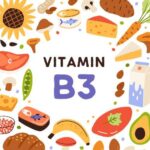
- Foods That Contain Vitamin B5
- Vitamin B5 Deficiency
- Signs of Vitamin B5 Deficiency
- How Much Vitamin B5 Do You Need?
- Vitamin B5 Supplements
- Vitamin B5 and Skin Health
- Vitamin B5 Side Effects
- Can You Take Too Much Vitamin B5?
- Products Containing Vitamin B5
- Frequently Asked Questions
What Is Vitamin B5 (Pantothenic Acid)?
Vitamin B5 is one of the eight B-complex vitamins. It is water-soluble, which means the body does not store large amounts of it for long periods and excess amounts are generally removed through urine.
One of the most important roles of Pantothenic Acid is helping the body make coenzyme A (CoA). Coenzyme A is involved in many chemical reactions that allow the body to process fats, carbohydrates, and proteins.
Vitamin B5 is also involved in the production of fatty acids and certain hormones. It therefore supports normal metabolism and healthy cell function.
Why Does the Body Need Vitamin B5?
The body uses Vitamin B5 in several important metabolic processes. It helps cells process nutrients and supports the production of substances needed for normal body function.
Pantothenic Acid is particularly important for making and breaking down fatty acids. It also helps the body produce certain hormones and other compounds.
Although only a small amount is needed each day, getting enough Vitamin B5 is part of maintaining a balanced diet.
Vitamin B5 Benefits
1. Supports Energy Metabolism
Vitamin B5 helps the body use carbohydrates, fats, and proteins. Through its role in coenzyme A, it contributes to the chemical reactions that help cells obtain usable energy from food.
2. Helps Process Fats
Pantothenic Acid is important for fatty acid metabolism. The body uses it when producing, breaking down, and processing fats for different biological functions.
3. Supports Hormone Production
Vitamin B5 is involved in the production of certain hormones, including hormones made by the adrenal glands. Adequate nutrition helps support these normal processes.
4. Supports Healthy Cell Function
Cells need coenzyme A for many chemical reactions. Because Vitamin B5 helps the body produce coenzyme A, it contributes to normal cell function and metabolism.
5. Supports Wound and Tissue Maintenance
Vitamin B5 contributes to normal metabolic processes involved in maintaining body tissues. A balanced intake of vitamins, minerals, protein, and other nutrients is important for normal tissue repair and maintenance.
6. Supports Skin Health
Pantothenic Acid is involved in normal skin metabolism. Vitamin B5 derivatives are also used in many cosmetic and personal-care products, particularly products made for skin moisturising and conditioning.
Foods That Contain Vitamin B5
Pantothenic Acid is naturally present in many foods. A varied diet can usually provide enough Vitamin B5 without requiring a separate supplement.
- Chicken and meat: Meat can provide useful amounts of Pantothenic Acid.
- Eggs: Eggs contain Vitamin B5 along with protein and other nutrients.
- Milk and dairy products: Dairy foods contribute to daily Vitamin B5 intake.
- Mushrooms: Several types of mushrooms contain Pantothenic Acid.
- Avocado: Avocado provides Vitamin B5 along with healthy fats.
- Potatoes: Potatoes can contribute to daily intake.
- Whole grains: Whole-grain foods can provide several B vitamins, including Vitamin B5.
- Legumes: Beans, lentils, and similar foods can contribute to Pantothenic Acid intake.
- Peanuts and seeds: Some nuts and seeds provide Vitamin B5.
Vitamin B5 Deficiency
Vitamin B5 deficiency is very rare because Pantothenic Acid is present in many different foods. When severe deficiency does occur, it is usually associated with serious malnutrition or other major nutritional problems.
Because deficiency is uncommon, taking high-dose Vitamin B5 without a clear reason is usually unnecessary for healthy people.
Signs of Vitamin B5 Deficiency
Severe Vitamin B5 deficiency may cause several non-specific symptoms, such as:
- Tiredness and weakness
- Headache
- Digestive discomfort
- Irritability or restlessness
- Numbness or tingling sensations
- Sleep disturbances
These symptoms can have many other causes. They should not automatically be considered signs of Vitamin B5 deficiency without proper medical evaluation.
How Much Vitamin B5 Do You Need?
Vitamin B5 requirements are usually given as adequate intake (AI) because there is not enough evidence to establish a traditional recommended daily allowance.
For most adults, the adequate intake is around 5 mg per day. During pregnancy and breastfeeding, nutritional requirements can be different.
Most healthy adults can obtain this amount through a normal, varied diet.
Vitamin B5 Supplements
Vitamin B5 is available in dietary supplements and is also included in many multivitamin and B-complex products.
Supplements may be considered when dietary intake is inadequate or when recommended by a healthcare professional. However, most healthy people do not need high-dose Pantothenic Acid if they are already eating a balanced diet.
If you take several supplements at the same time, check their labels to make sure you are not unnecessarily taking the same vitamin from multiple products.
Vitamin B5 and Skin Health
Vitamin B5 has an important role in normal cell metabolism, while some Vitamin B5 derivatives are widely used in skincare and personal-care products.
For example, Panthenol, a form related to Pantothenic Acid, is commonly used in cosmetic products because it can help condition and moisturise the skin.
However, the presence of a Vitamin B5-related ingredient in a skincare product does not mean that the product can treat every skin condition. Product benefits depend on the complete formulation and intended use.
Vitamin B5 Side Effects
Vitamin B5 is generally well tolerated when consumed through normal foods. Side effects are more likely when very large amounts are taken through supplements.
Possible problems from excessive supplemental intake may include:
- Diarrhea
- Stomach discomfort
- Nausea
- Digestive upset
If a supplement causes ongoing digestive problems, stop using it and discuss the issue with a healthcare professional.
Can You Take Too Much Vitamin B5?
Although Vitamin B5 is a water-soluble vitamin, taking very large amounts is not necessary simply because excess vitamins can leave the body through urine.
Very high supplemental doses can cause digestive problems, particularly diarrhea. It is therefore better to use supplements according to the product instructions or professional advice rather than assuming that more Vitamin B5 provides greater benefits.
Products Containing Vitamin B5
The following products available at RxHub.pk contain Vitamin B5 according to their product information:
| Product | Contains Vitamin B5 | Purpose |
|---|---|---|
| V-Care Intimate Wash | ✔ Yes | Intimate hygiene and personal care |
| Hydrating Hyaluronic Acid Serum | ✔ Yes | Skin hydration and care |
Frequently Asked Questions About Vitamin B5
What is Vitamin B5?
Vitamin B5, also called Pantothenic Acid, is a water-soluble B vitamin that helps the body process nutrients and supports energy metabolism, hormone production, and normal cell function.
Which foods contain Vitamin B5?
Vitamin B5 can be found in meat, eggs, dairy products, mushrooms, avocado, potatoes, whole grains, legumes, peanuts, and several other foods.
What happens if Vitamin B5 is low?
Severe Vitamin B5 deficiency is rare but may cause tiredness, digestive problems, headaches, irritability, and abnormal sensations such as numbness or tingling.
Is Vitamin B5 good for skin?
Vitamin B5 supports normal cellular metabolism, while derivatives such as Panthenol are commonly used in skincare products for their moisturising and conditioning properties.
Can Vitamin B5 cause side effects?
Normal dietary amounts are generally well tolerated. Very high supplemental amounts may cause digestive problems such as diarrhea or stomach discomfort.
How much Vitamin B5 does an adult need?
Most adults need about 5 mg of Vitamin B5 per day. Requirements may vary during pregnancy, breastfeeding, childhood, and different stages of life.
Do I need a Vitamin B5 supplement?
Most healthy people can get enough Vitamin B5 from food. A supplement may be useful when dietary intake is inadequate or when recommended by a healthcare professional.