NOW Foods Heart Health Supplements in Pakistan
NOW Foods Heart Health Supplements in Pakistan – A Guide to Heart Care and Healthy Circulation
Our heart works every minute of the day, even when we are sleeping. It pumps blood throughout the body, helping oxygen and nutrients reach the brain, muscles and other organs. We rarely think about this work until a health problem begins.
In Pakistan, many families have someone dealing with high blood pressure, high cholesterol, diabetes or a heart condition. Some elderly people become tired after walking a short distance. Others worry about their heart health because of family history, smoking, excess weight or unhealthy eating habits.
Sometimes people feel chest discomfort, shortness of breath or unusual tiredness and assume they only need a vitamin or supplement. However, these symptoms can have serious causes and should never be ignored.
Good heart health begins with daily habits, including balanced meals, regular physical activity, proper sleep and medical care when needed. Nutrients such as Omega-3 fatty acids and Coenzyme Q10 also have important roles in normal body functions.
This is why many adults search for NOW Foods Heart Health Supplements in Pakistan. NOW Foods offers different nutritional products containing Fish Oil, CoQ10, Ubiquinol, plant extracts, amino acids and other ingredients associated with cardiovascular wellness.
In this article, we will discuss how the heart works, common heart health problems, important nutrients, the benefits and limitations of supplements, and practical ways to care for your heart. We will also look at 32 NOW Foods products listed at RxHub Pakistan, including their main ingredients and intended nutritional uses.
Not every product in this guide is a dedicated heart supplement. Some provide general nutrition or ingredients being studied for cardiovascular health. We will explain these differences so readers can make more informed decisions.
Table of Contents
- What Is Heart Health?
- Why Is Heart Health Important?
- Common Heart Health Problems in Pakistan
- What Can Increase the Risk of Heart Disease?
- Heart Warning Signs You Should Not Ignore
- What Are Heart Health Supplements?
- Omega-3 and Fish Oil for Heart Health
- CoQ10 and Ubiquinol for Heart Health
- Cholesterol and Cardiovascular Nutrition
- Blood Pressure and Healthy Circulation
- 32 NOW Foods Heart Health Supplements in Pakistan
- How to Choose a Heart Health Supplement
- Heart Health for Older Adults
- Heart-Healthy Foods in Pakistan
- Daily Habits for a Healthy Heart
- Side Effects and Safety Precautions
- Frequently Asked Questions
- Closing Notes on Heart Health
What Is Heart Health?
Heart health means keeping the heart and blood vessels working as well as possible. Together, the heart and blood vessels form the cardiovascular system.
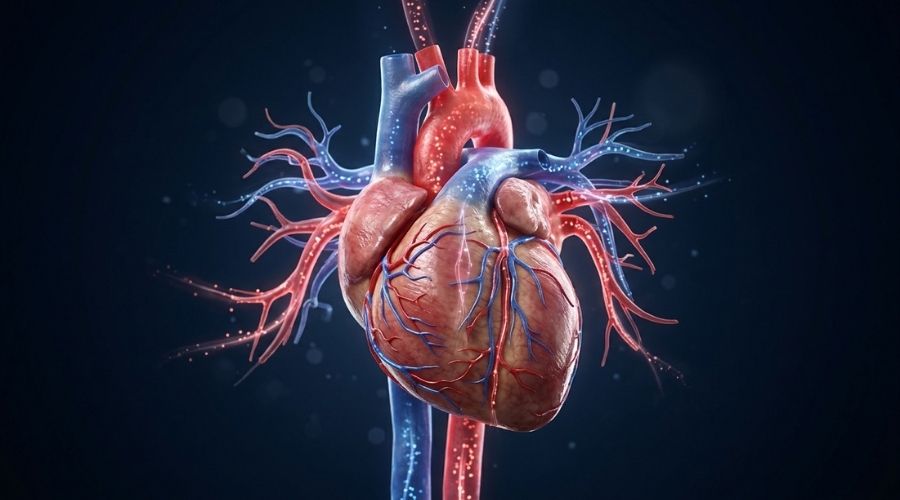
The heart pumps blood through arteries and veins. Blood carries oxygen and nutrients to different parts of the body and helps remove waste products.
A healthy cardiovascular system depends on several factors, including normal blood pressure, suitable cholesterol levels, healthy blood vessels, physical activity and good control of conditions such as diabetes.
We should remember that a person can have high blood pressure or high cholesterol without feeling unwell. Regular health checks are important because symptoms alone cannot tell us whether the heart is healthy.
Why Is Heart Health Important?
The heart supplies blood to nearly every organ in the body. When the heart or blood vessels develop problems, the effects can reach far beyond the chest.
Supports Blood Circulation
The heart keeps blood moving so oxygen and nutrients can reach body tissues.
Supports Brain Function
The brain needs a continuous blood supply. Problems affecting circulation can increase the risk of serious conditions such as stroke.
Helps Maintain Daily Activity
Healthy cardiovascular function supports walking, household work and other everyday movements.
Supports Long-Term Wellbeing
Managing blood pressure, cholesterol, diabetes and other risk factors can help reduce the likelihood of future cardiovascular problems.
However, feeling energetic does not always mean that a person’s blood pressure or cholesterol is normal. Medical testing remains important.
Common Heart Health Problems in Pakistan
Many adults in Pakistan live with conditions that affect their heart or blood vessels. Understanding these problems helps us recognize why prevention and medical care matter.
High Blood Pressure
High blood pressure, also called hypertension, means blood pressure remains above the healthy range. It often causes no clear symptoms, but over time it can damage the heart, brain, kidneys and blood vessels.

High Cholesterol
Cholesterol is a fatty substance needed for normal body functions. However, high levels of LDL cholesterol can contribute to the buildup of fatty deposits in arteries.
High Triglycerides
Triglycerides are another type of fat found in the blood. Very high levels may require medical treatment and can increase the risk of pancreatitis.
Coronary Artery Disease
This condition develops when the arteries supplying blood to the heart become narrowed by plaque buildup.
Heart Failure
Heart failure means the heart cannot pump or fill with blood as effectively as the body needs. It is a serious medical condition that requires professional treatment.
Stroke
A stroke happens when blood flow to part of the brain is blocked or a blood vessel bleeds. High blood pressure and other cardiovascular risk factors can increase the risk.
These conditions cannot be diagnosed or treated simply by choosing a supplement.
What Can Increase the Risk of Heart Disease?
Some risk factors are related to lifestyle, while others are connected to age, family history or existing medical conditions.
- High blood pressure.
- High LDL cholesterol.
- Diabetes and poorly controlled blood sugar.
- Smoking and tobacco use.
- Excess body weight.
- Low physical activity.
- Unhealthy eating habits and excessive salt intake.
- Family history of early heart disease.
- Increasing age.
- Chronic kidney disease and certain other conditions.
We cannot change our age or family history, but many other risk factors can be improved with appropriate care.
Heart Warning Signs You Should Not Ignore
Some people mistake serious heart symptoms for gas, acidity, weakness or ordinary tiredness.
Seek emergency medical help if someone develops chest pressure or pain, especially when accompanied by sweating, nausea, shortness of breath, faintness, or discomfort spreading to the arm, back, neck or jaw.
Women, older adults and people with diabetes may sometimes have less typical symptoms, including unusual breathlessness or severe unexplained fatigue.
Sudden facial weakness, arm weakness or difficulty speaking may indicate a stroke and also requires emergency care.
Do not take a heart supplement and wait for these symptoms to improve. Supplements are not emergency treatments.
What Are Heart Health Supplements?
Heart health supplements are nutritional products containing vitamins, fatty acids, antioxidants, plant extracts or other compounds associated with normal cardiovascular function.
Some are intended to provide nutrients that may be missing from the diet. Others contain ingredients that researchers have studied for blood pressure, cholesterol, triglycerides or blood vessel function.
However, a product being marketed for heart health does not mean it has been proven to prevent heart attacks or treat cardiovascular disease.
We should consider the actual ingredients, the strength of scientific evidence, possible interactions and the person’s medical needs.
Omega-3 and Fish Oil for Heart Health
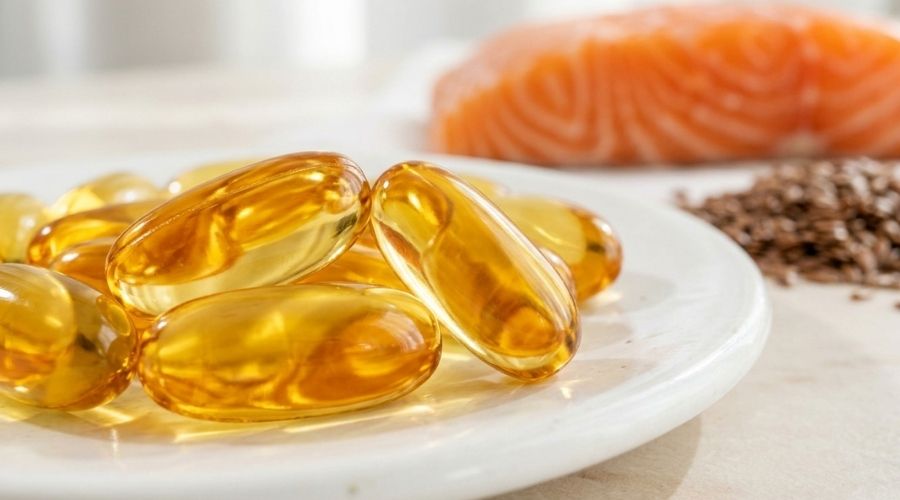
Omega-3 fatty acids are among the best-known nutrients associated with cardiovascular health.
There are three main Omega-3 fatty acids often discussed in nutrition:
- EPA: Eicosapentaenoic Acid, mainly found in fish and marine oils.
- DHA: Docosahexaenoic Acid, also found in fish and marine oils.
- ALA: Alpha-Linolenic Acid, found in plant foods such as flaxseed.
EPA and DHA are particularly important when comparing fish oil supplements.
Does Fish Oil Help Lower Triglycerides?
EPA and DHA can reduce blood triglyceride levels, especially at prescription-strength doses under medical supervision.
However, ordinary over-the-counter fish oil capsules should not be treated as replacements for prescribed triglyceride medicines.
Does Fish Oil Prevent Heart Attacks?
Research on ordinary Omega-3 supplements has produced mixed results. Eating fish as part of a healthy diet is associated with cardiovascular benefits, but taking fish oil capsules does not guarantee protection from heart attack or stroke.
What Is the Difference Between Fish Oil and Omega-3?
Fish oil is the source of the fat, while Omega-3 refers to specific fatty acids found within it.
For example, a capsule labeled Fish Oil 1000mg does not necessarily contain 1000mg of EPA and DHA. The Supplement Facts panel should show how much EPA and DHA the product provides.
What About Flax Oil and Omega 3-6-9?
Flax Oil provides plant-based ALA. The body can convert a small proportion of ALA into EPA and DHA, but conversion is limited.
Omega 3-6-9 blends contain several types of fatty acids. They are not automatically better for heart health than a suitable EPA/DHA product, and many people already obtain enough Omega-6 and Omega-9 from food.
CoQ10 and Ubiquinol for Heart Health
Coenzyme Q10, commonly called CoQ10, is a vitamin-like compound naturally found in the body.

It plays an important role in cellular energy production. Organs with high energy needs, including the heart, contain CoQ10.
CoQ10 also has antioxidant functions.
What Is Ubiquinol?
Ubiquinol is the reduced form of CoQ10, while Ubiquinone is its oxidized form. The body can convert between these forms.
Some supplements use Ubiquinol because of its absorption characteristics, but that does not mean every person needs it or that it is always clinically superior.
Is CoQ10 Good for Heart Patients?
CoQ10 has been studied in people with certain cardiovascular conditions, including heart failure. Some findings are encouraging, but it is not an established replacement for standard treatment.
People taking Warfarin or other regular medicines should ask their healthcare professional before starting CoQ10 because interactions are possible.
Does Everyone Need High-Dose CoQ10?
No. A 400mg product is not automatically better than a 50mg or 100mg product. The appropriate choice depends on the reason for use, medical history and professional advice.
Cholesterol and Cardiovascular Nutrition
Cholesterol is essential for normal body functions, but unhealthy blood lipid levels can increase cardiovascular risk.
Doctors usually assess LDL cholesterol, HDL cholesterol, triglycerides and other risk factors together.
Red Yeast Rice
Red Yeast Rice is produced by fermenting rice with a type of yeast. Some red yeast rice preparations may contain monacolin K, a compound chemically identical to the prescription medicine Lovastatin.
The amount of active compounds can vary between products. Red Yeast Rice may carry risks similar to statin medicines, including muscle and liver problems, and may interact with other medicines.
It should not be treated as a harmless natural substitute for prescribed cholesterol treatment.
Policosanol
Policosanol is a mixture of fatty alcohols, often obtained from plant waxes. It has been marketed for cholesterol support, but high-quality studies have not consistently shown meaningful benefits.
Alpha-Lipoic Acid
Alpha-Lipoic Acid is involved in energy metabolism and has antioxidant functions.
It is sometimes discussed in metabolic and cardiovascular research, but it is not an established cholesterol-lowering medicine.
Potassium Citrate
Potassium is an essential mineral involved in normal muscle, nerve and heart function.
However, NOW Potassium Citrate 99mg is a general mineral supplement rather than a treatment for high blood pressure or heart disease.
People with kidney problems or those taking medicines that raise potassium levels should be especially careful.
Blood Pressure and Healthy Circulation
Blood pressure is the force of blood pushing against artery walls.
Keeping blood pressure under control is one of the most important ways to reduce the risk of heart attack, stroke and kidney damage.
Some NOW Foods products contain plant extracts or other compounds studied for cardiovascular function.
Grape Seed and Hawthorn
NOW Blood Pressure Health combines Grape Seed Extract and Hawthorn Extract. The manufacturer markets this formula for supporting blood pressure already within a healthy range.
It is not a replacement for prescribed blood pressure medicine.
Garlic
Garlic has been studied for cardiovascular health. Some preparations may produce modest changes in blood pressure or cholesterol, but results vary by product and study.
Black Cumin Seed Oil
Black Cumin Seed Oil, commonly associated with Kalonji, contains plant compounds that have been studied for metabolic and cardiovascular effects.
Research remains limited, and it should not replace treatment for hypertension or diabetes.
Nattokinase
Nattokinase is an enzyme derived from fermented soybeans. It is studied for effects related to fibrin breakdown and circulation.
However, it can create serious concerns for people taking blood-thinning medicines or those with bleeding disorders. It is not an approved substitute for anticoagulant treatment.
L-Arginine
L-Arginine is an amino acid used by the body to produce nitric oxide, a compound involved in blood vessel relaxation.
Although L-Arginine is studied for vascular function, it is not a general treatment for heart disease and may interact with blood pressure medicines.
32 NOW Foods Heart Health Supplements in Pakistan
Below, we have organized the 32 products listed at RxHub into five groups. Each product name links to its individual page.
The short descriptions explain the main ingredient or nutritional purpose. Some products are directly positioned for cardiovascular support, while others have an indirect connection through general nutrition, circulation or metabolic health.
Omega-3, Fish Oil and Other Nutritional Oils
| Product Name | About Short |
|---|---|
| NOW Omega-3 Fish Oil 1000mg – 100 Softgels | Standard Fish Oil supplement providing EPA and DHA fatty acids for general cardiovascular nutrition. |
| NOW Omega-3 Fish Oil 1000mg – 200 Softgels | Larger pack of standard Omega-3 Fish Oil with EPA and DHA; useful for comparing bottle sizes. |
| NOW Omega-3 Fish Oil 1000mg – 30 Softgels | Smaller pack of standard Fish Oil providing marine Omega-3 fatty acids. |
| NOW Omega-3 Mini Gels – 180 Softgels | Smaller softgels providing EPA and DHA, suitable for adults who prefer an easier-to-swallow capsule. |
| NOW Ultra Omega-3 Fish Oil – 90 Softgels | Concentrated Fish Oil formula with higher EPA and DHA content than many standard fish oil capsules. |
| NOW Cod Liver Oil 1000mg – 90 Softgels | Cod liver oil providing marine fats and naturally associated vitamins A and D; check the specific label amounts. |
| NOW Red Omega – 90 Capsules | Combination formula containing Fish Oil and Red Yeast Rice with CoQ10; requires cholesterol-medicine safety precautions. |
| NOW Omega 3-6-9 – 100 Softgels | Blend of different plant oils supplying Omega-3, Omega-6 and Omega-9 fatty acids for general dietary fat nutrition. |
| NOW Super Omega 3-6-9 – 90 Softgels | Mixed fatty-acid formula combining marine and plant oil sources for broader essential fatty acid intake. |
| NOW Flax Oil 1000mg – 100 Softgels | Plant-based source of ALA Omega-3; not equivalent to the EPA and DHA found in Fish Oil. |
| NOW Krill Oil & CoQ10 – 60 Softgels | Combines marine Omega-3 from Krill Oil with CoQ10 for cardiovascular nutritional support. |
| NOW Omega-3 Fish Oil Chewable – 36 Gummies | Chewable Omega-3 format; check EPA/DHA amounts and age recommendations rather than comparing only by gummy count. |
| NOW Tri-3D Omega Fish Oil – 90 Softgels | Specialized Omega fatty-acid formula; review the current label for its EPA/DHA profile and additional ingredients. |
CoQ10 and Ubiquinol Supplements
| Product Name | About Short |
|---|---|
| NOW CoQ10 50mg with Selenium & Vitamin E | Combines CoQ10 with antioxidant nutrients Selenium and Vitamin E for general cellular and cardiovascular support. |
| NOW CoQ10 60mg with Fish Oil – 60 Softgels | Provides CoQ10 with Fish Oil, combining cellular energy support with marine fatty acids. |
| NOW CoQ10 100mg – 50 Softgels | CoQ10 in softgel form for cellular energy production and antioxidant nutrition. |
| NOW CoQ10 100mg – 90 Veg Capsules | Vegetarian capsule format of CoQ10, a compound naturally found in heart and other body tissues. |
| NOW CoQ10 100mg with Hawthorn Berry | Combines CoQ10 with Hawthorn Berry, a botanical traditionally associated with cardiovascular wellness. |
| NOW CoQ10 200mg – 60 Capsules | Higher-strength CoQ10 formula for adults considering concentrated CoQ10 supplementation. |
| NOW CoQ10 400mg – 30 Softgels | High-dose CoQ10 softgel; best considered with professional advice, especially alongside regular medicines. |
| NOW Ubiquinol 100mg Active CoQ10 – 60 Softgels | Provides Ubiquinol, the reduced form of CoQ10, for cellular energy and antioxidant support. |
Cholesterol and Related Metabolic Supplements
| Product Name | About Short |
|---|---|
| NOW Red Yeast Rice 600mg – 60 Capsules | Fermented rice supplement associated with cholesterol research; may carry statin-like risks and medicine interactions. |
| NOW Policosanol 10mg – 90 Veg Capsules | Plant-wax-derived compound marketed for cholesterol support, although clinical evidence is inconsistent. |
| NOW Alpha-Lipoic Acid 250mg Capsules | Antioxidant and energy-metabolism supplement with an indirect connection to metabolic and cardiovascular research. |
| NOW Alpha-Lipoic Acid 600mg Capsules | Higher-strength Alpha-Lipoic Acid formula; not a direct treatment for cholesterol or heart disease. |
| NOW Potassium Citrate 99mg – 180 Veg Capsules | Essential mineral supplement for normal nerve and muscle function, including the heart; not a blood pressure medicine. |
Blood Pressure and Vascular Support
| Product Name | About Short |
|---|---|
| NOW Blood Pressure Health – 90 Capsules | Grape Seed and Hawthorn extract formula marketed to support blood pressure already within a healthy range. |
| NOW Nattokinase 100mg – 60 Veg Capsules | Soy-derived enzyme studied for fibrin-related activity; important bleeding and blood-thinner precautions apply. |
| NOW Black Cumin Seed Oil 1000mg – 60 Softgels | Kalonji oil supplement containing natural plant compounds studied for general metabolic and cardiovascular effects. |
| NOW Odourless Garlic 50mg – 100 Softgels | Garlic supplement associated with cardiovascular nutrition and research on blood pressure and cholesterol. |
| NOW Ginger Root 550mg – 100 Capsules | General botanical supplement with digestive and antioxidant uses; cardiovascular relevance is indirect. |
Amino Acids and Blood Vessel Function
| Product Name | About Short |
|---|---|
| NOW L-Arginine Double Strength 1000mg – 120 Tablets | Amino acid involved in nitric oxide production and normal blood vessel function; may interact with cardiovascular medicines. |
Product note: The 32 items above include different strengths, pack sizes and formulas. They should not be treated as equally effective heart supplements. Their individual labels should be checked before comparing serving sizes, EPA/DHA amounts or additional ingredients.
How to Choose a Heart Health Supplement
There is no single supplement that suits every person. The right decision depends on nutritional needs, medical conditions, medicines and the purpose of supplementation.
For Omega-3 Nutrition
Compare EPA and DHA amounts rather than looking only at the total Fish Oil number. Standard Omega-3, Ultra Omega-3 and Mini Gels have different formulations.
For CoQ10 Nutrition
NOW Foods offers CoQ10 in different strengths and forms, including Ubiquinol. Higher strength is not automatically better, and people taking heart medicines should seek professional advice.
For Cholesterol Concerns
Start with a lipid profile and an assessment of cardiovascular risk. Red Yeast Rice and Policosanol should not be chosen as replacements for medically recommended cholesterol treatment.
For High Blood Pressure
Check blood pressure properly and follow medical advice. NOW Blood Pressure Health is marketed for supporting an already healthy blood pressure range, not treating diagnosed hypertension.
For General Nutrition
Flax Oil, mixed fatty-acid supplements, Potassium and Alpha-Lipoic Acid have different nutritional roles. They should not automatically be grouped with products specifically studied for cardiovascular outcomes.
Heart Health for Older Adults
As people grow older, their risk of high blood pressure, heart disease and other medical conditions generally increases.

In some Pakistani families, elderly parents or grandparents take several medicines each day. These may include medicines for blood pressure, diabetes, cholesterol or blood clot prevention.
Adding multiple supplements without checking interactions can create unnecessary risks.
Important Steps for Elderly Family Members
- Check blood pressure regularly as advised.
- Keep a list of all prescription medicines and supplements.
- Attend recommended cholesterol and diabetes checks.
- Encourage safe movement and suitable physical activity.
- Provide balanced meals with appropriate salt intake.
- Discuss unexplained weakness, breathlessness or swelling with a doctor.
- Do not stop heart medicines because a supplement is being taken.
CoQ10, Fish Oil or herbal supplements should not be started simply because someone is elderly. Their usefulness and safety depend on the individual.
Heart-Healthy Foods in Pakistan
Many everyday foods available in Pakistan can support a heart-healthy eating pattern.
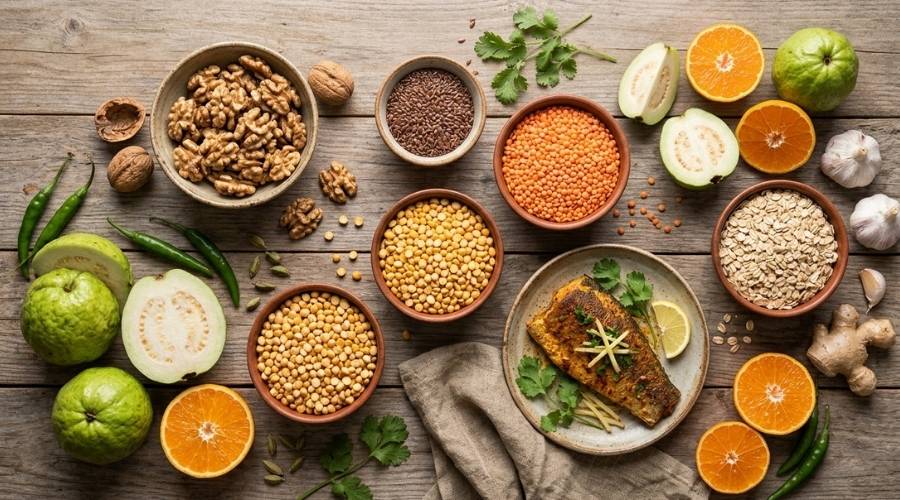
| Food | Why It Can Be Useful |
|---|---|
| Fish | Certain fish provide EPA and DHA Omega-3 fatty acids. |
| Daal, Chana and Beans | Provide plant protein and fiber. |
| Oats and Whole Grains | Provide dietary fiber; soluble fiber can help lower LDL cholesterol. |
| Vegetables | Provide fiber, vitamins, minerals and other useful nutrients. |
| Guava, Apples and Citrus Fruits | Provide fiber and other nutrients as part of a balanced diet. |
| Walnuts and Flaxseeds | Provide plant-based ALA Omega-3 and other nutrients. |
| Unsaturated Vegetable Oils | Can be useful when replacing excessive saturated fat in the diet. |
Try to limit excessive salt, frequent fried snacks, sugary drinks and foods high in trans fats. A heart-healthy diet does not require expensive imported foods.
Daily Habits for a Healthy Heart
1. Walk or Exercise Regularly
Adults should aim for regular physical activity suited to their health and abilities. People with known heart conditions should ask their healthcare professional about safe exercise.
2. Control Blood Pressure
Measure blood pressure as advised and take prescribed treatment consistently.
3. Manage Cholesterol
Follow recommended lipid testing, dietary changes and medicines when needed.
4. Keep Blood Sugar Under Control
Diabetes can increase cardiovascular risk, making regular follow-up important.
5. Stop Smoking
Stopping tobacco use is one of the most important steps for protecting heart and blood vessel health.
6. Reduce Excess Salt
Limiting salt can help with blood pressure management, especially for people with hypertension.
7. Maintain a Suitable Weight
Gradual, sustainable changes in eating and physical activity can improve several cardiovascular risk factors.
8. Sleep Regularly
Good sleep supports overall health. Persistent snoring, breathing pauses or severe daytime sleepiness may need assessment.
9. Manage Stress
Rest, social support, exercise and appropriate mental health care can help with stress management.
10. Attend Medical Checkups
Regular blood pressure, cholesterol and diabetes checks can identify problems before serious symptoms appear.
Side Effects and Safety Precautions of Heart Health Supplements
Heart health supplements are not automatically safe for everyone. Several ingredients can interact with prescription medicines or affect bleeding, blood pressure, blood sugar and other body functions.
Omega-3 and Fish Oil
Fish Oil may cause a fishy aftertaste or digestive discomfort. High doses can increase the risk of atrial fibrillation in some people, and bleeding-related precautions may be relevant.
CoQ10 and Ubiquinol
CoQ10 may cause mild digestive symptoms and can interact with medicines such as Warfarin.
Red Yeast Rice
Some preparations can have statin-like effects and may cause muscle or liver problems. Avoid use during pregnancy and breastfeeding, and do not combine with statin medicines without medical advice.
Nattokinase
Nattokinase should not be used with blood-thinning medicines or bleeding disorders without appropriate medical supervision. It is not a substitute for prescribed anticoagulants.
Garlic, Ginger and Other Botanicals
Concentrated herbal supplements may cause digestive problems or interact with medicines. Some can increase bleeding concerns, especially when combined with anticoagulants or antiplatelet drugs.
Potassium
Too much potassium can cause dangerous heart rhythm problems. People with kidney disease or those taking certain blood pressure medicines must be particularly careful.
L-Arginine
L-Arginine may lower blood pressure and interact with blood pressure medicines or other products affecting blood vessel function. It is not suitable for everyone, including some people with a recent heart attack.
Important: People taking Aspirin, Clopidogrel, Warfarin, Apixaban, Rivaroxaban, blood pressure medicines, statins or diabetes medicines should have their supplement combinations reviewed by a qualified healthcare professional.
Frequently Asked Questions About NOW Foods Heart Health Supplements
1. What are NOW Foods Heart Health Supplements?
They are nutritional products containing ingredients such as Omega-3 fatty acids, CoQ10, Ubiquinol, plant extracts and other compounds associated with cardiovascular nutrition.
2. Which NOW Foods products are most directly related to heart health?
Omega-3 EPA/DHA products, CoQ10, Ubiquinol and NOW Blood Pressure Health have direct cardiovascular positioning. Other products in the article provide broader or indirect support.
3. Is Fish Oil 1000mg the same as Omega-3 1000mg?
No. A 1000mg Fish Oil softgel contains a mixture of fats. The actual EPA and DHA amounts must be checked separately on the Supplement Facts label.
4. Can Omega-3 supplements prevent heart attacks?
Ordinary Omega-3 supplements have not been shown to reliably prevent heart attacks in everyone. Evidence varies by population and formulation.
5. Can Fish Oil lower triglycerides?
EPA and DHA can lower triglycerides. Prescription-strength Omega-3 medicines are used for certain patients, but ordinary supplements should not replace medical treatment.
6. What is CoQ10 used for?
CoQ10 is involved in cellular energy production and antioxidant functions. It is commonly found in supplements marketed for cardiovascular wellness.
7. What is the difference between CoQ10 and Ubiquinol?
Ubiquinol is the reduced form of CoQ10, while Ubiquinone is the oxidized form. The body can convert between them.
8. Is NOW CoQ10 400mg better than 100mg?
Not necessarily. A higher dose is not automatically more effective or suitable. The correct amount depends on individual needs and medical advice.
9. Can NOW Blood Pressure Health treat hypertension?
No. It is marketed for supporting blood pressure already within the healthy range and should not replace prescribed hypertension treatment.
10. Is Red Yeast Rice safe for cholesterol?
Red Yeast Rice can have statin-like risks and medicine interactions. It should only be considered after discussing safety and cholesterol management with a healthcare professional.
11. Is Nattokinase a blood thinner?
Nattokinase has fibrin-related biological activity and may create bleeding risks. It is not an approved replacement for prescribed blood-thinning medicines.
12. Is Flax Oil the same as Fish Oil?
No. Flax Oil mainly provides ALA Omega-3, while Fish Oil supplies EPA and DHA directly.
13. Are Omega 3-6-9 supplements better than Omega-3 alone?
Not automatically. Many people already obtain enough Omega-6 and Omega-9 from food, so the appropriate choice depends on dietary needs.
14. Can heart patients take Garlic or Ginger supplements?
They should ask a healthcare professional first, particularly if taking blood-thinning or cardiovascular medicines.
15. Can elderly people take heart health supplements?
Some supplements may be appropriate, but older adults often take several medicines, making interaction checks especially important.
16. Can Potassium Citrate treat high blood pressure?
No. Potassium Citrate 99mg is a mineral supplement, not a replacement for blood pressure medicine.
17. Does L-Arginine improve blood circulation?
L-Arginine is involved in nitric oxide production, but its clinical benefits vary. It should not be used as a general treatment for circulation problems.
18. What foods are good for heart health in Pakistan?
Fish, vegetables, fruits, daal, beans, whole grains, nuts and suitable unsaturated oils can all fit into a heart-healthy diet.
19. What should someone do if they have chest pain?
New or severe chest pain, especially with breathlessness, sweating or faintness, requires emergency medical assessment. Do not rely on supplements.
20. Where can I find NOW Foods Heart Health Supplements in Pakistan?
RxHub Pakistan lists the 32 NOW Foods products linked in this guide. Check each product’s latest ingredients, label and safety information before making a decision.
Closing Notes on Heart Health
Taking care of the heart is important at every age. High blood pressure, cholesterol problems, diabetes, smoking and unhealthy daily habits can increase the risk of cardiovascular disease, sometimes without obvious warning signs.
In this article, we have discussed how the heart works, common cardiovascular problems, important nutrients and the different types of NOW Foods Heart Health Supplements available in Pakistan.
We have also compared 32 products listed at RxHub, including Omega-3 Fish Oil, CoQ10, Ubiquinol, Red Yeast Rice, Blood Pressure Health, Nattokinase, Garlic and L-Arginine.
These products do not all serve the same purpose. Some provide nutrients with established biological roles, while others contain ingredients with limited or mixed clinical evidence. None should be used as a replacement for prescribed heart medicines.
For long-term cardiovascular wellbeing, the most important steps remain a balanced diet, regular suitable exercise, avoiding tobacco, managing blood pressure and cholesterol, and following medical advice.
Medical Disclaimer: This article is for general educational purposes only. Food supplements are not intended to diagnose, treat, cure or prevent disease. People with heart disease, high blood pressure, high cholesterol, diabetes, kidney disease or those taking prescription medicines should consult a qualified healthcare professional before starting supplements. Chest pain, severe breathlessness or stroke symptoms require emergency medical care.