Fluoxetine Medicine Uses, Working, Safety & Dosage
Fluoxetine Medicine – Complete Medical Guide for Patients
In this article, I will explain fluoxetine in a simple and clear way, just like a doctor explaining it to a patient during a clinic visit. Many people hear this medicine’s name but do not fully understand what it is used for, how it works inside the body, and why doctors prescribe it instead of other medicines. Fluoxetine is not a general supplement, energy booster, or mood enhancer. It is a prescription medicine that is used only for specific mental health conditions and must always be taken with proper medical guidance.
Mental health problems such as depression, anxiety, panic attacks, and obsessive thoughts are more common than many people realize. In Pakistan, these issues often remain untreated because people hesitate to talk about emotional or mental stress. Some people try to ignore symptoms, while others rely only on temporary solutions. Medicines like fluoxetine help restore chemical balance in the brain and allow people to manage daily life more comfortably, calmly, and confidently. This guide will help you understand fluoxetine clearly, responsibly, and without confusion.
Table of Contents
- What Is Fluoxetine
- How Fluoxetine Works in the Brain
- Medical Uses of Fluoxetine
- Fluoxetine for Depression
- Fluoxetine for OCD
- Fluoxetine for Panic Disorder
- Fluoxetine for Bulimia Nervosa
- Fluoxetine for PMDD
- Fluoxetine with Olanzapine
- Dosage Forms Available
- General Dosage Information
- How Long Fluoxetine Takes to Work
- Possible Side Effects
- Safety and Precautions
- Who Should Avoid Fluoxetine
- Stopping Fluoxetine Safely
- Living Daily Life While Using Fluoxetine
- Trusted Medical References
- Conclusion
What Is Fluoxetine
Fluoxetine is a prescription medicine that belongs to a group of drugs called selective serotonin reuptake inhibitors, commonly known as SSRIs. These medicines are mainly used to treat mental health conditions related to mood, anxiety, and emotional regulation. Fluoxetine has been used worldwide for many years and is considered one of the most studied and clinically tested antidepressants.

Fluoxetine is commonly known by its brand name Prozac, but it is also widely available as a generic medicine. Doctors prescribe fluoxetine only after properly evaluating a patient’s mental, emotional, and sometimes physical condition. It is not meant for temporary sadness, daily stress, or mood swings caused by normal life events. Instead, it is used when symptoms are persistent, affect daily functioning, and interfere with personal, social, or professional life.
How Fluoxetine Works in the Brain
To understand how fluoxetine works, it is important to understand how the brain communicates. The brain uses chemicals called neurotransmitters to send messages between nerve cells. One of the most important neurotransmitters related to mood and emotions is serotonin. It plays a role in mood stability, sleep patterns, appetite, emotional control, and overall mental balance.
In people suffering from depression, OCD, or anxiety disorders, serotonin activity may be reduced or irregular. Fluoxetine works by slowing down the reabsorption of serotonin in the brain. This allows serotonin to stay active for a longer time between nerve cells, improving communication and emotional regulation.
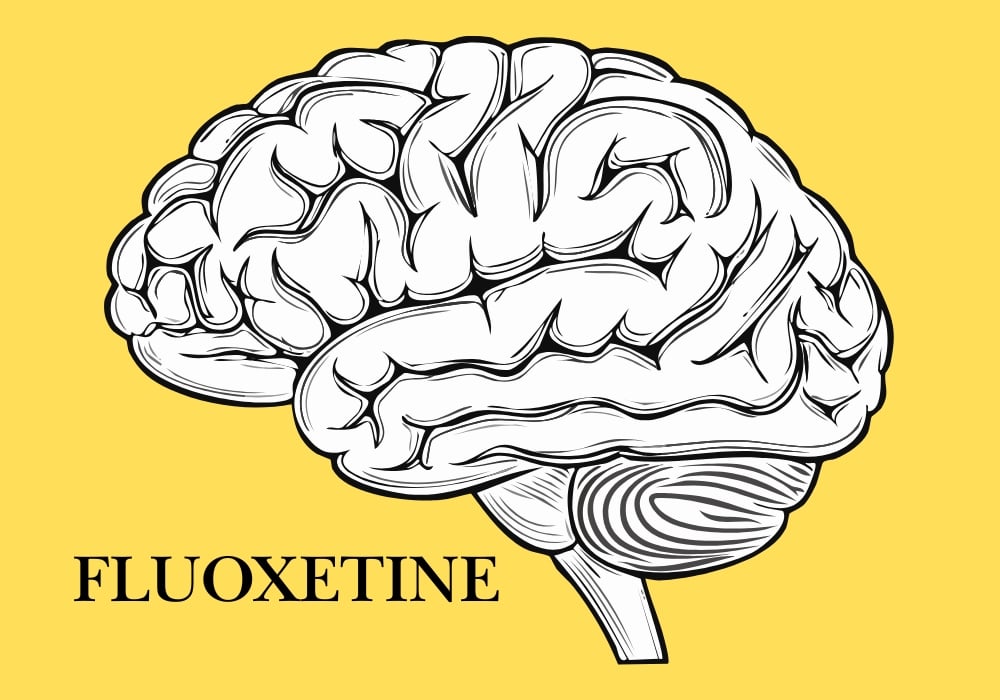
It is important to understand that fluoxetine does not create artificial happiness or instant relief. Instead, it supports the brain’s natural chemical balance. With regular use, it helps stabilize mood, reduce emotional distress, and improve mental clarity over time.
Medical Uses of Fluoxetine
Fluoxetine is prescribed for several medically recognized mental health conditions. Doctors select this medicine based on the patient’s symptoms, medical history, age, and response to previous treatments. Below is a summary of its main medical uses.
| Condition | How Fluoxetine Helps |
|---|---|
| Depression | Improves mood, energy, sleep, and interest in daily activities |
| Obsessive-Compulsive Disorder | Reduces repetitive thoughts and compulsive behaviors |
| Panic Disorder | Decreases frequency and intensity of panic attacks |
| Bulimia Nervosa | Helps control binge eating and purging behaviors |
| PMDD | Manages severe emotional symptoms before menstruation |
Fluoxetine for Depression
Depression is not simply feeling sad or low for a few days. It is a medical condition that affects emotions, thinking, sleep, appetite, motivation, and self-worth. People with depression may feel tired all the time, lose interest in things they once enjoyed, and struggle to carry out daily responsibilities.
Fluoxetine helps by gradually improving serotonin balance in the brain. As treatment continues, many patients notice better emotional control, improved sleep, more stable energy levels, and a clearer mindset. However, improvement happens slowly, and regular use as prescribed is essential.
Fluoxetine for Obsessive-Compulsive Disorder (OCD)
Obsessive-compulsive disorder is a condition where a person experiences repeated unwanted thoughts and feels the urge to perform certain actions to reduce anxiety. These behaviors can interfere with work, family life, and mental peace.
Fluoxetine helps reduce the intensity and frequency of obsessive thoughts. Over time, it allows patients to gain better control over compulsive behaviors and reduces anxiety linked to repetitive thinking patterns.
Fluoxetine for Panic Disorder
Panic disorder involves sudden episodes of intense fear that may include chest discomfort, shortness of breath, dizziness, and a feeling of losing control. These attacks can happen without warning and may cause fear of leaving home or being alone.
Fluoxetine helps regulate brain signals responsible for panic responses. With consistent use, panic attacks often become less frequent and less severe, helping patients feel safer and more confident in daily situations.
Fluoxetine for Bulimia Nervosa
Bulimia nervosa is an eating disorder characterized by binge eating followed by purging behaviors. It is often linked with emotional distress and poor impulse control.
Fluoxetine helps by stabilizing mood and reducing impulsive behavior. This supports better control over eating habits and improves emotional regulation when used as part of a structured treatment plan.
Fluoxetine for Premenstrual Dysphoric Disorder (PMDD)
PMDD is a severe form of premenstrual syndrome that causes intense mood changes, irritability, anxiety, and emotional distress before menstruation.
Fluoxetine helps balance serotonin levels during this phase, reducing emotional symptoms and improving daily functioning for affected women.
Fluoxetine with Olanzapine
In certain cases of bipolar depression or treatment-resistant depression, fluoxetine is prescribed together with olanzapine. This combination is carefully monitored by specialists.
It is important to note that fluoxetine alone is not suitable for all bipolar patients. Combination therapy is used only when clearly indicated and under close medical supervision.
Dosage Forms Available
Fluoxetine is available in multiple dosage forms so doctors can choose the most suitable option for each patient.
| Form | Description |
|---|---|
| Capsule | Most commonly prescribed for daily use |
| Delayed Release Capsule | Releases medicine slowly over time |
| Tablet | Solid oral form, easy to manage |
| Oral Solution | Liquid form for patients who cannot swallow tablets |
General Dosage Information
The dosage of fluoxetine depends on age, medical condition, and response to treatment. Doctors usually begin with a low dose and increase gradually if needed. This approach helps reduce side effects and allows the body to adjust.
Patients should never change dosage on their own. Taking more than prescribed does not improve results and may increase the risk of side effects.
How Long Fluoxetine Takes to Work
Fluoxetine does not work immediately. Most patients start noticing small improvements within 2 to 4 weeks. Full benefits may take 6 to 8 weeks or longer.
This gradual response is normal and does not mean the medicine is ineffective. Consistency and patience are key parts of treatment success.
Possible Side Effects
Like all prescription medicines, fluoxetine may cause side effects in some people. Many side effects are mild and improve with time.
| Type | Examples |
|---|---|
| Common | Nausea, headache, sleep changes, dry mouth |
| Less Common | Sweating, restlessness, appetite changes |
| Serious | Severe mood changes, allergic reactions (seek medical help) |
Safety and Precautions
Fluoxetine should always be taken exactly as prescribed. Patients should inform their doctor about other medicines, herbal products, or medical conditions before starting treatment.
Who Should Avoid Fluoxetine
Fluoxetine may not be suitable for people with certain medical conditions or those using MAO inhibitors. A doctor will decide suitability after evaluation.
Stopping Fluoxetine Safely
Fluoxetine should never be stopped suddenly. Doctors reduce the dose gradually to prevent withdrawal symptoms such as dizziness or mood changes.
Living Daily Life While Using Fluoxetine
Most people can continue normal work, family, and social activities while taking fluoxetine. Regular follow-up appointments help ensure safe and effective treatment.
Trusted Medical References
Conclusion
Fluoxetine is a well-researched prescription medicine used to manage several mental health conditions. When taken correctly under medical supervision, it helps restore emotional balance, reduce distressing symptoms, and improve quality of life. Mental health care is an important part of overall health, and seeking proper treatment is a positive and responsible step forward.